Bipolar disorder is a mental health condition that causes significant changes in mood, energy, activity levels, and behaviour. People with bipolar disorder experience episodes of mania or hypomania (periods of unusually elevated mood or energy) and episodes of depression. These mood episodes can affect work, relationships, daily functioning, and overall quality of life. With early diagnosis and appropriate bipolar disorder treatments, many individuals successfully manage their symptoms and lead fulfilling lives.
✨ Well Hope
Bipolar Disorder
Bipolar disorder is a mental health condition that causes recurring episodes of depression, mania, or hypomania.
Professional Care
Bipolar Disorder: Symptoms, Causes, Treatment & Therapy
Have you experienced periods of extreme happiness, self-assurance, or motivation mixed with periods of extreme depression, exhaustion, or emotional separation? While everyone occasionally experiences mood swings, severe and persistent mood swings that interfere with day-to-day functioning may indicate bipolar disorder.
Bipolar disorder is a mental health condition that causes recurring episodes of depression, mania, or hypomania. It affects mood, energy, sleep, thinking, and daily functioning. Treatment usually includes medication, psychological therapies such as CBT, healthy lifestyle habits, and ongoing professional support. Early diagnosis improves long-term outcomes.
It affects millions of individuals worldwide, although it's frequently misdiagnosed as just "mood swings." It is actually a mental illness that impacts daily functioning, relationships, emotions, energy levels, thoughts, and behaviour. The good news is that bipolar disorder is curable, and many people are able to effectively control their symptoms and have happy lives when they receive the appropriate therapy.
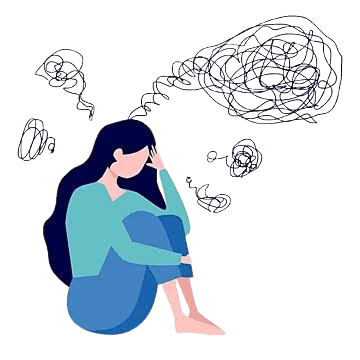
What is Bipolar Disorder?
Bipolar disorder is a chronic mental health condition that causes recurring episodes of mania, hypomania, and depression. These episodes affect mood, energy, behaviour, sleep, thinking, and the ability to function in daily life. These shifts can have an impact on relationships, employment, education, and general quality of life and are more severe than the typical emotional ups and downs that everyone goes through.
People with bipolar disorder have times of depression, which can lead to poor energy, chronic melancholy, and a lack of interest in daily activities, as well as episodes of mania or hypomania, and can make them feel exceptionally confident, energetic, or agitated. Each person may experience these mood swings, which can last for several days or weeks.
Early detection of bipolar disorder symptoms and immediate intervention can have a big impact. Many people are able to control their symptoms and have healthy, satisfying lives when they receive the proper combination of professional assistance, psychological therapies like CBT (Cognitive Behavioural Therapy), and medications when advised. Our therapist at Well Hope collaborate closely with patients to comprehend their distinct experiences and develop individualised therapy programs that promote long-term emotional health.
Bipolar Signs and Symptoms
Based on whether a person is going through a manic, hypomanic, or depressed phase, bipolar disorder symptoms might change. While everyone periodically experiences mood swings, bipolar disorder symptoms are more severe, persistent, and can have a substantial impact on day-to-day activities, relationships, employment, or academic pursuits.
The following are a few of the most typical signs of bipolar disorder:
An unusually high or agitated mood
Higher amounts of energy or activity
Reducing sleep requirements without experiencing fatigue
Rapid speech or racing thoughts
Greater self-assurance or arrogance
Risky or impulsive behaviours (for example, careless choices)
Having trouble focusing
Prolonged sadness or depression
Lacks interest in once-enjoyed activities
Exhaustion or poor energy
Alterations in sleep or appetite patterns
Feelings of worthlessness, guilt, or despair
Distancing oneself from friends and family
Thoughts of suicide or self-harm during periods of extreme depression
As manic or hypomanic episodes remain unreported, bipolar disorder symptoms are frequently misinterpreted for stress, personality features, or depression alone. A thorough evaluation by a qualified mental health practitioner is crucial for a correct diagnosis and suitable treatment because symptoms might differ from person to person.
Common Bipolar Disorder Symptoms
Common bipolar disorder symptoms include:
Mood Swings
Mood swings lasting days or weeks.
High Energy
Extremely high energy or excitement.
Reduced Sleep
Reduced need for sleep.
Racing Thoughts
Racing thoughts and difficulty slowing down mentally.
Impulsive Decisions
Impulsive decisions that may lead to careless or risky choices.
Depression
Long periods of sadness, low motivation, and loss of interest.
Sleep & Appetite Changes
Changes in sleep and appetite.
Daily Functioning
Difficulty functioning at work or home.
Types of Bipolar Disorder
Bipolar I Disorder
Ideally, one manic episode lasting a week or serious enough to require treatment which takes place among individuals with bipolar I disorder. While not all individuals will have depressive episodes, many people also go through serious depressed episodes.
Bipolar II Disorder
Major depressive episodes coexist with hypomania, a lesser form of mania, in this kind of bipolar illness. If hypomanic signs are ignored, Bipolar II Disorder may occasionally be confused with depression since depressive episodes are frequently more obvious.
Cyclothymia, or Cyclothymic Disorder
Cyclothymic Disorder is characterised by persistent episodes of hypomanic and depression-like symptoms that are less intense but last longer, typically for at least two years in adults.
Additional Bipolar and Related Disorders
Some people have bipolar illness symptoms that don't exactly fit the description of the types mentioned above, but they still cause a great deal of anguish or interfere with day-to-day functioning. These symptoms can be evaluated by a trained mental health practitioner, who can then suggest suitable treatment.
Bipolar Disorder ICD-10 Classification
Bipolar disorder is one of the mental health conditions that medical professionals diagnose and categorise using the International Classification of Diseases (ICD-10). Bipolar disorder may be categorised under several ICD-10 diagnosis codes under the F31 category, depending on the person's symptoms and the kind of mood episode they have had.
In addition to supporting diagnosis, directing treatment planning, and facilitating communication between healthcare facilities, these codes assist healthcare workers in keeping correct medical records. A thorough psychological and psychiatric evaluation is still necessary for a precise diagnosis and individualised treatment plan because an ICD-10 code by itself cannot establish the degree of severity of bipolar disorder.
Early Warning Signs of Bipolar Disorder
Understanding the early warning indicators of bipolar disorder can assist people in getting care before their symptoms worsen. A manic, hypomanic, or depressed episode may precede these symptoms by days or even weeks. Even though each person has different warning signs, recognising your personal patterns can be crucial to controlling bipolar disorder and avoiding relapse.
Common Early Warning Indications of Hypomania or Mania
Sleeping significantly less than normal without experiencing tiredness
Having an exceptionally high level of energy or restlessness
Speaking faster or more often than normal
Focusing issues or racing thoughts
Having more self-assurance
Increasing impulsivity, such as overspending or taking needless chances
Beginning several initiatives but never finishing them
Being more easily irritated or frustrated
Common Early Warning Signs of Depression
Prolonged sadness or depression
Loss of interest in activities or social events
Exhaustion or a lack of motivation
Getting a lot more or less sleep than normal
Having trouble focusing or making judgments
Feeling useless, guilty, or hopeless
Distancing oneself from friends and family
Variations in daily routine or appetite
What Causes Bipolar Disorder?
Bipolar disorder does not have a single reason for it. Rather, scientists think that a mix of biochemical, genetics, psychological, and environmental variables causes it to develop. Bipolar disorder does not always result from these circumstances, even if they may raise the risk of getting the illness. In most people, bipolar disorder develops because of multiple interacting factors rather than one single cause.
Bipolar disorder may be based on several factors, such as:
- Genetics: Although not every individual with a family history of bipolar disorder develops the illness, having a close relative with the disorder may raise the risk.
- Brain Chemistry: Bipolar disorder may be influenced by variations in how specific brain chemicals control mood and emotions.
- Stressful Life Events: Significant life events, such as a loss of a family member, relationship issues, financial struggle, or strain at work, can cause mood episodes in people who are at risk.
- Childhood Trauma or Experiences: Early traumatic events may make a person more susceptible to mental health issues, such as bipolar illness.
- Sleep Disturbances: Manic or depressive episodes can occasionally begin or develop as a result of disturbed sleep patterns or extended sleep deprivation.
- Alcohol or Substance Use: Recreational drugs and alcohol can cause or exacerbate mood swings and obstruct recovery and therapy.
Even though bipolar disorder is not always preventable, long-term results can be greatly improved by early detection, evidence-based treatment, and continued support.
How Is Bipolar Disorder Diagnosed?
Mental health professionals diagnose bipolar disorder through a comprehensive psychological and psychiatric assessment. Diagnosis involves discussing symptoms, mood patterns, medical history, family history, and how mood changes affect daily life. There is no single blood test or brain scan that confirms bipolar disorder.
Bipolar Disorder Treatments: What Actually Works?
The good news is that there are effective treatments for bipolar disorder, and many people who receive the proper assistance are able to effectively control their symptoms. Medication, psychiatric therapy, healthy lifestyle choices, and continuing medical care are typically the most successful treatments. Treatment for bipolar illness is always tailored to each patient's needs, medical history, and symptoms because each person is affected by the condition differently.
Among the most popular methods are:
Medications
Treatment for bipolar disorder frequently includes medication, which can help control mood swings, lower the chance of relapse, and enhance day-to-day functioning. Depending on the patient's symptoms, a psychiatrist may suggest mood stabilisers, atypical antipsychotics, or other drugs. Instead of terminating therapy on your own, it's crucial to take medicine exactly as directed and to talk to the treating psychiatrist about any worries or side effects.
Psychological Therapies
In order to help people comprehend their disease, control their emotions, identify early warning signals, and create appropriate coping mechanisms, therapy is crucial. Psychological therapies are frequently advised in addition to medication rather than as a substitute. At Well Hope, our therapist use evidence-based therapies tailored to each person's needs.
Healthful Lifestyle Practices
Following a regular sleep pattern, exercising, controlling stress, eating a healthy diet, and abstaining from alcohol and recreational drugs can help lower the likelihood of experiencing mood episodes in the future.
Family Guidance and Assistance
Knowing more about bipolar disorder enables family members to communicate more effectively, comprehend the illness better, and offer significant support during recovery. Involving families can also promote treatment adherence and assist in spotting early warning indicators.
Psychological Therapies for Bipolar Disorder
Alongside medication, psychological therapies play a vital role in helping individuals understand their condition, manage emotions, recognise early warning signs, and improve their quality of life.
Cognitive Behavioural Therapy (CBT)
CBT helps individuals identify unhelpful thought patterns, develop healthier coping strategies, recognise early warning signs of mood episodes, improve emotional regulation, and build a relapse prevention plan. Research suggests that CBT is most effective when used alongside medication as part of a comprehensive treatment plan.
Psychoeducation
Psychoeducation helps individuals and their families understand bipolar disorder, recognise triggers, identify early warning signs, and appreciate the importance of treatment adherence. Better understanding often leads to improved long-term management.
Interpersonal and Social Rhythm Therapy (IPSRT)
This therapy focuses on maintaining consistent daily routines, particularly sleep and activity schedules, while improving interpersonal relationships. Stable routines can help reduce the likelihood of future mood episodes.
Family-Focused Therapy (FFT)
Family involvement can improve communication, reduce conflict, and help loved ones recognise early warning signs while providing meaningful support throughout recovery.
Supportive Therapy
Supportive therapy offers a safe, non-judgmental space to discuss emotional challenges, build resilience, strengthen coping skills, and improve overall psychological well-being.
CBT (Cognitive Behavioural Therapy) for Bipolar Disorder: Why It Is an Important Part of Treatment
Among the evidence-based psychological therapies available today, CBT for bipolar disorder (Cognitive Behavioural Therapy) is one of the most extensively researched and widely recommended approaches for supporting individuals living with bipolar disorder. While CBT for bipolar disorder does not replace medication, it is commonly used alongside medication to help individuals better understand their condition, recognise mood changes, develop healthier coping strategies, and reduce the risk of future mood episodes.
Medication helps stabilise mood by addressing the biological aspects of bipolar disorder, while CBT for bipolar disorder focuses on the thoughts, emotions, and behaviours that influence how a person responds to everyday challenges. Together, medication and CBT address both the biological and psychological aspects of bipolar disorder, providing a more comprehensive approach to long-term management. This combination can improve emotional well-being, strengthen coping skills, and enhance overall quality of life.
Clinical guidelines from organisations such as the National Institute for Health and Care Excellence (NICE) recommend structured psychological therapies, including CBT, as part of comprehensive care for many individuals living with bipolar disorder. These therapies provide practical skills that continue to benefit individuals even after formal therapy has ended.
During CBT for bipolar disorder, your therapist works collaboratively with you to better understand your experiences, identify patterns in your thoughts, emotions, and behaviours, and develop practical strategies that can be used both during and between mood episodes. Rather than simply discussing problems, CBT focuses on helping individuals build lifelong skills to manage their mental health with greater confidence.
During CBT for bipolar disorder, you may learn to:
• Recognise the early warning signs of mania, hypomania, or depression.
• Identify unhelpful thought patterns that contribute to emotional distress.
• Develop healthier coping strategies for managing stress.
• Monitor mood changes and identify personal triggers that may contribute to future mood episodes.
• Establish consistent daily routines, including healthy sleep habits.
• Develop behavioural strategies to stay engaged in meaningful activities during depressive episodes.
• Strengthen problem-solving and decision-making skills.
• Improve emotional regulation during challenging situations.
• Create a personalised relapse prevention plan.
• Improve treatment adherence by understanding the importance of ongoing professional care.
• Build confidence in managing symptoms and maintaining long-term emotional well-being.
At Well Hope, our therapist use evidence-based approaches, including CBT for bipolar disorder, to help individuals better understand their emotions, identify mood patterns, and develop practical coping skills that fit into their everyday lives. Every person's experience with bipolar disorder is different, which is why our therapy sessions are personalised based on each individual's symptoms, strengths, goals, and challenges. Our aim is not only to help individuals manage their current symptoms but also to empower them with the knowledge, resilience, and practical skills needed to support long-term emotional stability and overall well-being.
Research suggests that combining CBT for bipolar disorder with appropriate medical care can help individuals strengthen coping skills, improve treatment adherence, reduce the risk of relapse, and enhance their overall quality of life. Your treatment plan should always be personalised and developed in collaboration with qualified mental health professionals to ensure it best meets your individual needs.
Everyday Tips to Manage Bipolar Disorder
Healthy daily practices can be crucial in promoting emotional well-being and lowering the likelihood of subsequent mood episodes, but professional therapy is an essential component of treating bipolar disorder. These techniques can support your bipolar disorder therapy and help you maintain more stability in your daily life, but they shouldn't be used in place of professional care.
Since regular sleep is directly related to mood stability, stick to a regular sleep pattern.
Take prescription drugs exactly as directed, and before making any adjustments, talk to your treating psychiatrist about any worries.
Regularly attend treatment sessions, such as CBT (Cognitive Behavioural treatment), to improve coping mechanisms and identify warning indicators.
Maintain an active lifestyle since regular exercise promotes mental and physical well-being.
Consume wholesome, well-balanced meals and drink plenty of water.
Use mindfulness, relaxation techniques, or enjoyable hobbies to manage your stress.
Steer clear of recreational drugs and alcohol as they may exacerbate symptoms or interact with treatment.
To spot trends or triggers over time, monitor your mood, sleep, and daily schedule.
Keep in touch with dependable friends or family, and don't be afraid to ask for assistance when you need it.
Instead of allowing your symptoms to worsen, get expert help as soon as you detect changes in your energy, mood, or behaviour.
How Well Hope Can Help
We at Well Hope are aware of how burdensome having bipolar disorder can be for both the person with the illness and their loved ones. Since every individual's journey with bipolar disorder is different, we think there should never be a one-size-fits-all approach to therapy.
To understand your signs, emotional experiences, lifestyle, individual characteristics, and problems, our therapist start with a thorough psychological assessment. We develop a customised treatment plan based on this knowledge, taking into account your particular requirements and recovery goals.
Thorough psychological evaluation
Sessions of individual treatment
Cognitive behavioural therapy (CBT) and other evidence-based treatment methods
Psychoeducation to enhance your comprehension of bipolar disorder
Strategies for stress management and emotional control
Planning for relapse prevention and mood monitoring
Guidelines for a healthy routine and sleep maintenance
When necessary, family education and supportive counselling
In addition to assisting with symptom reduction, our mission is to provide you with useful skills that will enable you to successfully manage your mental health, improve everyday functioning, fortify relationships, and develop long-term emotional well-being.
Well Hope is here to help you with kind, private, and expert care, regardless of whether you have just received a diagnosis, are having difficulties for the very first time, or need ongoing psychological support.
Although living with bipolar disorder can be difficult, stable and satisfying lives are achievable with the correct support, care, and direction. Asking for assistance is a crucial step in comprehending your mental health and taking charge of your wellbeing, not a show of weakness.
We at Well Hope are dedicated to provide individualized, evidence-based, compassionate, and private psychological care. Our skilled therapist are here to assist you at every point of your psychological journey, regardless of whether you are seeking continuous support, have just received a diagnosis, or suffer from symptoms for the first time.
You don't have to face bipolar disorder alone.
Book a confidential consultation with Well Hope today and take the first step toward emotional balance, resilience, and long-term well-being.
Schedule Your Appointment Today
Take the first step. Let's rewrite your story together with care, clarity, and compassion.
Frequently Asked Questions
Find answers to the most common queries about Bipolar Disorder.
What is bipolar disorder?
What are the 5 signs of bipolar disorder?
Although symptoms vary from person to person, five common bipolar signs and symptoms include unusually high energy or increased activity; reduced need for sleep without feeling tired; racing thoughts or rapid speech; persistent sadness or loss of interest in activities; and impulsive or risky behaviours, such as excessive spending or poor decision-making. If these symptoms begin affecting daily life, it is important to seek a professional mental health assessment.
What is the main cause of bipolar disorder?
There is no single cause of bipolar disorder. Research suggests that it develops due to a combination of genetics, brain chemistry, environmental factors, stressful life events, and sleep disturbances. Having one or more risk factors does not necessarily mean a person will develop bipolar disorder.
What is the definition of bipolar disorder according to the WHO?
The World Health Organisation (WHO) describes bipolar disorder as a mental health condition characterised by alternating episodes of mania or hypomania and depression that can significantly affect a person's functioning, relationships, and quality of life. Early diagnosis and appropriate treatment can help individuals manage symptoms and improve overall well-being.
What is a person with bipolar disorder like?
Every individual with bipolar disorder is unique. During manic or hypomanic episodes, a person may appear unusually energetic, confident, talkative, or impulsive. During depressive episodes, they may experience sadness, fatigue, hopelessness, and a loss of interest in daily activities. Between mood episodes, many people function well and lead active, productive lives, especially when receiving appropriate treatment and support.
Can people with bipolar disorder live a normal life?
Yes. Many people living with bipolar disorder lead healthy, meaningful, and productive lives. Early diagnosis, appropriate bipolar disorder treatments, medication when recommended, psychological therapies such as CBT (Cognitive Behavioural Therapy), healthy lifestyle habits, and ongoing support all contribute to long-term stability and improved quality of life.
Can Bipolar Disorder Be Cured?
There is currently no permanent cure for bipolar disorder, but it can be managed successfully with the right combination of medication, therapy, healthy routines, and ongoing professional support. Many individuals lead stable and fulfilling lives when treatment begins early and continues consistently.
How can bipolar disorder be managed effectively?
Managing bipolar disorder usually involves a combination of professional treatment and healthy daily habits. Effective management may include taking medications as prescribed, attending therapy sessions, maintaining a regular sleep schedule, managing stress, exercising regularly, avoiding alcohol or recreational drugs, monitoring mood changes, and seeking professional support when early warning signs appear.
Can CBT help with bipolar disorder?
Yes. CBT (Cognitive Behavioural Therapy) is an evidence-based psychological therapy that is commonly used alongside medication. CBT helps individuals recognise early warning signs, develop healthier coping strategies, improve emotional regulation, manage stress, and reduce the likelihood of future mood episodes.
How is bipolar disorder diagnosed?
There is no single laboratory test for bipolar disorder. A diagnosis is made through a comprehensive assessment by a qualified mental health professional or psychiatrist, who evaluates symptoms, medical history, mood patterns, and the duration and impact of mood episodes. Accurate diagnosis is important because bipolar disorder can sometimes be mistaken for depression or other mental health conditions.
When should I seek professional help for bipolar disorder?
You should seek professional help if you or a loved one experiences persistent changes in mood, energy, sleep, or behaviour that interfere with daily life, work, relationships, or safety. Early intervention can improve treatment outcomes and help prevent symptoms from becoming more severe.

Leave a Comment
We would love to hear your thoughts and experiences.