
Depression is a common but serious mental health condition that affects how a person thinks, feels, and behaves. It is more than temporary sadness and can interfere with daily life, relationships, and work if left untreated.
✨ Well Hope
Depression Counselling
Personalized Therapy for Lasting Emotional Well-Being
Professional Care
Understanding Depression: Symptoms, Causes, Types & Treatment
Depression is more than simply feeling sad after a difficult day. Everyone experiences emotional ups and downs, but when sadness, emptiness, or a loss of interest lasts for weeks and begins affecting everyday life, it may be depression. It can influence the way you think, feel, behave, and even how your body functions. Millions of people worldwide live with depression, yet many hesitate to seek help because they misunderstand the condition or believe they should "just get over it." The truth is that depression is a real mental health condition, and with the right support, recovery is possible. Learning about depression symptoms, recognizing the signs of depression, understanding the causes of depression, and exploring different types of depression can help you or someone you care about take the first step toward recovery. In this guide, we'll also discuss therapy for depression, practical coping strategies, and how Well Hope can support your journey toward better mental health.
What Is Depression?
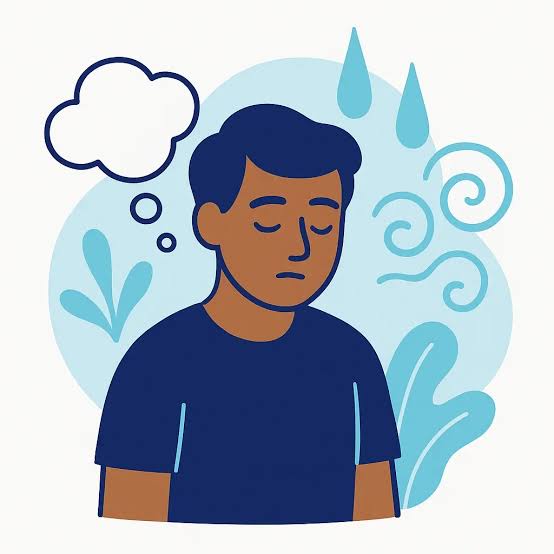
Depression is a common but serious mental health condition that affects mood, thoughts, emotions, and daily functioning. It is much more than temporary sadness. People living with depression often find it difficult to enjoy activities they once loved, stay motivated, or even complete everyday tasks.
Depression can affect anyone, regardless of age, gender, or background. While everyone's experience is unique, recognizing depression symptoms early can make treatment more effective and improve overall well-being. One important thing to remember is that depression is treatable. Seeking therapy for depression or other professional support is a sign of strength, not weakness.
Depression Symptoms:
What to Look for Everyone experiences depression differently, but there are several common depression symptoms that may indicate someone needs support.
- Persistent sadness or emptiness
- Losing interest in hobbies or activities
- Constant fatigue or low energy
- Difficulty concentrating
- Sleeping too much or too little
- Changes in appetite or weight
- Feeling hopeless or worthless
- Increased irritability
- Difficulty making decisions
- Withdrawing from friends and family
- Avoiding hospitals, clinics, or health information because it increases anxiety. These health anxiety symptoms often become a repeating cycle. A harmless physical sensation leads to worry, the worry increases anxiety, anxiety causes more physical sensations, and the cycle continues. Many people don't realize that anxiety itself can cause symptoms such as dizziness, muscle tension, stomach discomfort, rapid heartbeat, and headaches, making the fear feel even more real.
Signs of Depression
While symptoms describe what a person experiences internally, the signs of depression are often the changes that others may notice.
- Avoiding social situations
- Declining performance at work or school
- Speaking less than usual
- Neglecting personal hygiene
- Frequent crying
- Appearing emotionally numb
- Loss of motivation
- Increased frustration or anger
- Lack of interest in future plans. Recognizing these signs of depression can encourage earlier conversations and support.
Causes of Depression
There is no single explanation for depression. Usually, several factors contribute to its development. Understanding the causes of depression can help people realize that it is not a personal weakness or failure.
- Genetics: A family history of depression may increase the likelihood of developing the condition.
- Brain Chemistry: Changes in brain chemicals that regulate mood may contribute to depression.
- Stressful Life Events: Major changes such as losing a loved one, divorce, financial difficulties, or job loss are common causes of depression.
- Chronic Medical Conditions: Living with long-term physical illnesses or chronic pain may increase the risk of depression.
- Trauma: Childhood abuse, neglect, bullying, or other traumatic experiences are well-recognized causes of depression.
- Substance Use: Alcohol and drug misuse can both contribute to depression and make existing symptoms worse.
- Social Isolation: A lack of meaningful relationships or emotional support can significantly affect mental health and contribute to depression.
Understanding the causes of depression allows mental health professionals to create personalized treatment plans rather than focusing only on the symptoms. No matter the cause, recovery is possible with the right support, healthy coping strategies, and appropriate therapy for depression.
How Depression Affects Mental Health
Depression influences much more than mood. It affects almost every aspect of a person's mental health, including emotional well-being, confidence, relationships, and decision-making. People experiencing depression often describe feeling emotionally exhausted, disconnected from others, or unable to enjoy life the way they once did. Over time, these challenges can make everyday responsibilities feel overwhelming. Looking after your mental health means recognizing these changes early and seeking support before symptoms become more severe. The sooner treatment begins, the greater the opportunity for recovery and improved quality of life.
- Major Depressive Disorder (MDD): Major Depressive Disorder is one of the most common types of depression. It involves persistent low mood, loss of interest in activities, and significant depression symptoms that interfere with daily life for at least two weeks.
- Persistent Depressive Disorder (PDD): Also known as dysthymia, this is a long-lasting form of depression where symptoms continue for two years or more. Although the depression symptoms may be less severe than MDD, they can still have a significant impact on daily functioning.
- Seasonal Affective Disorder (SAD): This type of depression is linked to seasonal changes, most commonly during the winter months when daylight hours are shorter. Many people experience changes in energy, mood, and motivation during this time.
- Postpartum Depression: Some new mothers experience more than the "baby blues." Postpartum depression involves intense emotional and physical signs and symptoms of depression that can affect both the parent and the baby if left untreated.
- Premenstrual Dysphoric Disorder (PMDD): PMDD is a severe condition related to hormonal changes before menstruation and includes emotional, physical, and behavioral symptoms that affect everyday life.
- Bipolar Depression: People with bipolar disorder experience episodes of depression along with periods of elevated or unusually energetic moods known as mania or hypomania.
- Situational Depression: Sometimes difficult life events such as divorce, losing a job, or grief can trigger depression. While symptoms may improve as circumstances change, professional support can still be helpful.
Recognizing the different types of depression helps mental health professionals recommend the most suitable therapy for depression and treatment plan.
Therapy for Depression: What Works?
One of the most important things to know is that depression is highly treatable. The right therapy for depression can help reduce symptoms, improve emotional well-being, and teach practical coping strategies. Treatment plans are personalized because every person's experience is different. A combination of therapy, healthy lifestyle habits, social support, and sometimes medication often provides the best results. Some of the most effective approaches include:
Cognitive Behavioral Therapy (CBT)
CBT helps people identify negative thinking patterns and replace them with healthier, more balanced ways of thinking. It is one of the most widely recommended forms of therapy for depression.
Interpersonal Therapy (IPT)
This therapy focuses on improving communication, resolving relationship challenges, and strengthening social support systems. Behavioral Activation encourages people to gradually return to meaningful activities that depression may have caused them to avoid.
Mindfulness-Based Cognitive Therapy (MBCT)
MBCT combines mindfulness practices with cognitive techniques to help people manage negative thought patterns and reduce the risk of relapse.
Acceptance and Commitment Therapy (ACT)
ACT teaches people to accept difficult emotions while taking actions that align with their personal values and long-term goals.
Psychodynamic Therapy
This approach explores how past experiences and unconscious emotional patterns influence current thoughts and behaviors.
Some healthy habits include:
How It Helps Among all available therapies, CBT for health anxiety is one of the most researched and effective approaches. Rather than simply talking about worries, CBT for health anxiety teaches practical skills that help break the cycle of fear. During CBT for health anxiety, you may learn to:
- Maintaining a regular sleep schedule
- Eating balanced, nutritious meals
- Exercising regularly
- Spending time outdoors
- Staying connected with trusted family and friends
- Practicing mindfulness or meditation
- Reducing alcohol and substance use
- Taking breaks from social media when needed
- Celebrating small achievements
These strategies work best alongside professional therapy for depression rather than replacing it.
When Should You Seek Professional Help?
Many people delay getting help because they believe they should be able to manage depression on their own. However, seeking support early often leads to better outcomes.
You should consider reaching out for support if:
- Depression symptoms last longer than two weeks.
- The signs of depression interfere with work, school, or relationships.
- You notice worsening signs and symptoms of depression over time.
- Daily tasks begin to feel overwhelming.
- You no longer enjoy activities you once loved.
- Your overall mental health continues to decline.
How Well Hope Can Support Your Mental Health Journey
Taking the first step toward therapy can feel difficult, but you don't have to do it alone. Well Hope is dedicated to making quality mental health support more accessible, compassionate, and personalized.
Whether you're struggling with health anxiety symptoms, looking for effective therapy, or hoping to improve your overall mental health, Well Hope connects you with qualified professionals who understand what you're experiencing.
Through Well Hope, you can:
- Connect with licensed therapists
- Book confidential therapy sessions
- Access evidence-based mental health care
- Receive personalized treatment plans
- Learn healthy coping strategies
- Build long-term emotional resilience
At WellHope, the goal is not only to reduce depression symptoms but also to improve confidence, strengthen relationships, and support lasting emotional well-being. Every recovery journey is different, and WellHope is here to support you every step of the way.
Benefits of Seeking Treatment for Depression Early
Recognizing depression symptoms early and seeking professional support can make recovery more effective. The right therapy for depression can improve your emotional well-being, strengthen relationships, and help you regain a sense of purpose. Addressing the causes of depression and understanding the different types of depression allows for personalized care and lasting recovery.
1. Improved Emotional Well-Being
Being Effective therapy for depression helps reduce sadness, hopelessness, and emotional distress, allowing you to feel more balanced and optimistic.
2. Better Daily Functioning
Treating depression symptoms can improve motivation, concentration, decision-making, and energy levels, making everyday tasks easier to manage.
3. Stronger Relationships Managing
The signs of depression helps improve communication, rebuild social connections, and strengthen relationships with family, friends, and colleagues.
4. Increased Self-Confidence
As treatment progresses, many people experience greater self-esteem, reduced feelings of guilt, and renewed confidence in their abilities.
5. Personalized Treatment Based on Your Needs
Understanding the types of depression helps mental health professionals recommend the most appropriate therapy for depression, leading to more effective and individualized care.
6. Better Physical and Mental Health
Depression affects both the mind and body. Treating depression symptoms can improve sleep, appetite, energy levels, and overall mental health.
7. Healthier Coping Skills Evidence-based Therapy
For depression, such as Cognitive Behavioral Therapy (CBT), teaches practical strategies to manage negative thoughts, regulate emotions, and cope with life's challenges.
8. Improved Quality of Life Seeking Help Early
Improved Quality of Life Seeking help early can reduce the long-term impact of depression, helping you enjoy meaningful relationships, pursue personal goals, and build a healthier, more fulfilling life.
Take the first step. Let's rewrite your story together with care, clarity, and compassion.
Frequently Asked Questions
Find answers to the most common queries about our depression program.
What is depression?
What are the common depression symptoms?
Common depression symptoms include persistent sadness, loss of interest in activities, fatigue, difficulty concentrating, changes in sleep or appetite, feelings of hopelessness, irritability, and withdrawing from family and friends.
What are the signs of depression?
Some common signs of depression include social withdrawal, reduced motivation, declining performance at work or school, frequent crying, neglecting personal care, loss of interest in hobbies, and appearing emotionally numb.
What are the causes of depression?
There is no single cause. Common causes of depression include genetics, brain chemistry, stressful life events, trauma, chronic medical conditions, substance misuse, and social isolation. Often, several factors work together.
What are the different types of depression?
There are several types of depression, including Major Depressive Disorder (MDD), Persistent Depressive Disorder (PDD), Seasonal Affective Disorder (SAD), Postpartum Depression, Premenstrual Dysphoric Disorder (PMDD), Bipolar Depression, and Situational Depression.
What is the best therapy for depression?
The most effective therapy for depression depends on individual needs. Common evidence-based treatments include Cognitive Behavioral Therapy (CBT), Interpersonal Therapy (IPT), Behavioral Activation, Mindfulness-Based Cognitive Therapy (MBCT), Acceptance and Commitment Therapy (ACT), and Psychodynamic Therapy.
Can depression be treated without medication?
Yes. Many people benefit from therapy for depression, healthy lifestyle changes, and strong social support without needing medication. However, for moderate to severe depression, medication may be recommended by a psychiatrist as part of a comprehensive treatment plan.
When should I seek professional help for depression?
You should seek professional support if depression symptoms last longer than two weeks, interfere with work, school, or relationships, worsen over time, or significantly affect your mental health and quality of life.
Can lifestyle changes help manage depression?
Yes. Regular exercise, nutritious meals, quality sleep, mindfulness, spending time outdoors, staying socially connected, and reducing alcohol or substance use can complement therapy for depression and support recovery.
How can WellHope help with depression?
WellHope connects individuals with experienced mental health professionals who provide personalized therapy for depression, support for different types of depression, evidence-based treatment plans, and compassionate care to help manage depression symptoms, recognize the signs of depression, and improve overall mental health.

Leave a Comment
We would love to hear your thoughts and experiences.