
Grief is the natural emotional, psychological, and physical response to losing someone or something meaningful. While it is often associated with the death of a loved one, grief can also result from the end of a relationship, loss of health, financial difficulties, or other major life changes.
✨ Well Hope
Understanding Grief and Loss
Grief is a normal emotional reaction to losing a significant person or object, and there is no "right" or "wrong" way to grieve.
Professional Care
Understanding Grief and Loss: Symptoms, Causes, Types & Treatment
Grief is a normal emotional reaction to losing a significant person or object. While it is most commonly associated with the death of a loved one, grief can also arise after the end of a relationship, the loss of a job, declining health, financial difficulties, or any significant life change. Every person's experience of grief is unique, and there is no "right" or "wrong" way to grieve. Professional grief counselling can help individuals understand their emotions, develop healthy coping strategies, and gradually adjust to life after loss.
Although grief is a normal part of life, it can sometimes feel overwhelming and affect your emotions, thoughts, physical health, relationships, and daily routine. Understanding the common signs of grief, learning about the types of grief and loss, and discovering healthy ways of coping with grief and loss can help make the healing process more manageable.
For some people, grief gradually becomes easier to cope with over time, while others may benefit from professional support. Online therapy for grief and loss and evidence-based grief counseling techniques can provide a safe, compassionate space to process emotions, build resilience, and adapt to life after loss. In this guide, we'll explore the causes and symptoms of grief, the different types of grief and loss, the benefits of grief counseling, and how Well Hope can support your mental health journey with personalized care.

What Is Grief and Loss?
Grief is the natural emotional, psychological, and sometimes physical response to losing someone or something that holds deep meaning in your life. While many people associate grief with the death of a loved one, it can also occur after the end of a relationship, the loss of a job, a serious medical diagnosis, financial difficulties, the loss of a pet, or any significant life change. Loss affects everyone differently, and there is no single timeline or "correct" way to grieve.
Grief can influence your thoughts, emotions, behaviors, physical health, and relationships. While some may feel emotionally empty or find it difficult to accept the loss, others may feel extreme sadness, rage, guilt, or confusion. These reactions are a normal part of the healing process and often change over time.
Understanding grief and recognizing the common signs of grief can help you respond with greater self-compassion and seek support when needed. Although grief cannot be rushed or erased, healthy coping with grief and loss becomes possible with time, support from loved ones, and, when necessary, professional guidance. Many individuals find that online therapy for grief and loss or working with a qualified therapist provides practical tools to process emotions, adapt to life after loss, and gradually regain emotional well-being.
Common Signs of Grief
Grief affects people in different ways, and no two experiences are exactly alike. Some people express their emotions openly, while others may grieve quietly or struggle to put their feelings into words. The common signs of grief can be emotional, physical, cognitive, and behavioral. Recognizing these signs can help you understand your own experience or support someone who is grieving.
Emotional Signs
Deep sadness or frequent crying
Feelings of emptiness or loneliness
Anger or frustration
Guilt or regret, especially after the loss of a loved one
Anxiety or fear about the future
Emotional numbness or shock
Physical Signs
Fatigue or low energy
Difficulty sleeping or sleeping too much
Changes in appetite or weight
Headaches, muscle tension, or body aches
Restlessness or difficulty relaxing
Cognitive Signs
Difficulty concentrating or making decisions
Constantly thinking about the person or loss
Forgetfulness or mental fog
Feeling confused or disoriented
Disbelief or difficulty accepting the reality of the loss
Behavioral Signs
Withdrawing from family and friends
Avoiding places, people, or activities associated with the loss
Losing interest in hobbies or daily routines
Increased irritability or mood changes
Seeking isolation or spending more time alone
These symptoms of grief can vary in intensity depending on the type of loss, individual coping style, and available emotional support. These common signs of grief often change over time. Some days may feel more manageable, while others may bring intense emotions, especially around anniversaries, birthdays, or other meaningful reminders. If grief continues to feel overwhelming or significantly interferes with daily life for an extended period, seeking professional support can help you develop healthy ways of coping with grief and loss.
Stages of Grief
The Five Stages of Grief. Not everyone experiences every stage, and they don't always happen in order.
1 Denial
2 Anger
3 Bargaining
4 Depression
5 Acceptance
Causes of Grief and Loss
Grief is a natural response to losing someone or something meaningful. While many people associate grief with the death of a loved one, it can also arise from a wide range of life experiences and significant changes. Understanding the causes of grief and loss can help people recognize that grief is not limited to bereavement and that every loss deserves compassion and support.
Death of a Loved One
The loss of a family member, partner, friend, or someone emotionally close is one of the most common causes of grief. The emotional impact can vary depending on the relationship, the circumstances of the death, and the support available.
Relationship Breakdown
The end of a marriage, divorce, separation, or breakup can bring feelings of sadness, loneliness, anger, and uncertainty, along with grieving the future that was once imagined.
Loss of Health
Being diagnosed with a chronic illness, experiencing a disability, or losing physical independence can trigger grief over changes in lifestyle, abilities, or sense of identity.
Loss of Employment or Financial Stability
Losing a job, retiring unexpectedly, or facing financial hardship can lead to grief, especially when it affects confidence, purpose, or future plans.
Pregnancy Loss or Infertility
Miscarriage, stillbirth, infertility, or the loss of a hoped-for pregnancy can result in profound grief that is deeply personal and hard for others to fully understand.
Loss of a Pet
For many people, pets are cherished family members. Losing a beloved pet can cause intense grief, even though this loss is sometimes overlooked by others.
Major Life Changes
Moving to a new city, leaving home, retirement, or children moving away can involve grieving the loss of familiarity, routines, relationships, or roles.
Traumatic Events
Natural disasters, accidents, violence, or other traumatic experiences can result in grief for loved ones, personal safety, or the life a person once knew.
Grief is a deeply personal experience, and the intensity of grief is not determined by the type of loss but by the meaning that loss holds for the individual. Recognizing the causes of grief and loss helps reduce stigma and encourages people to seek support when they need help coping with grief and loss.
How Grief Affects Mental Health
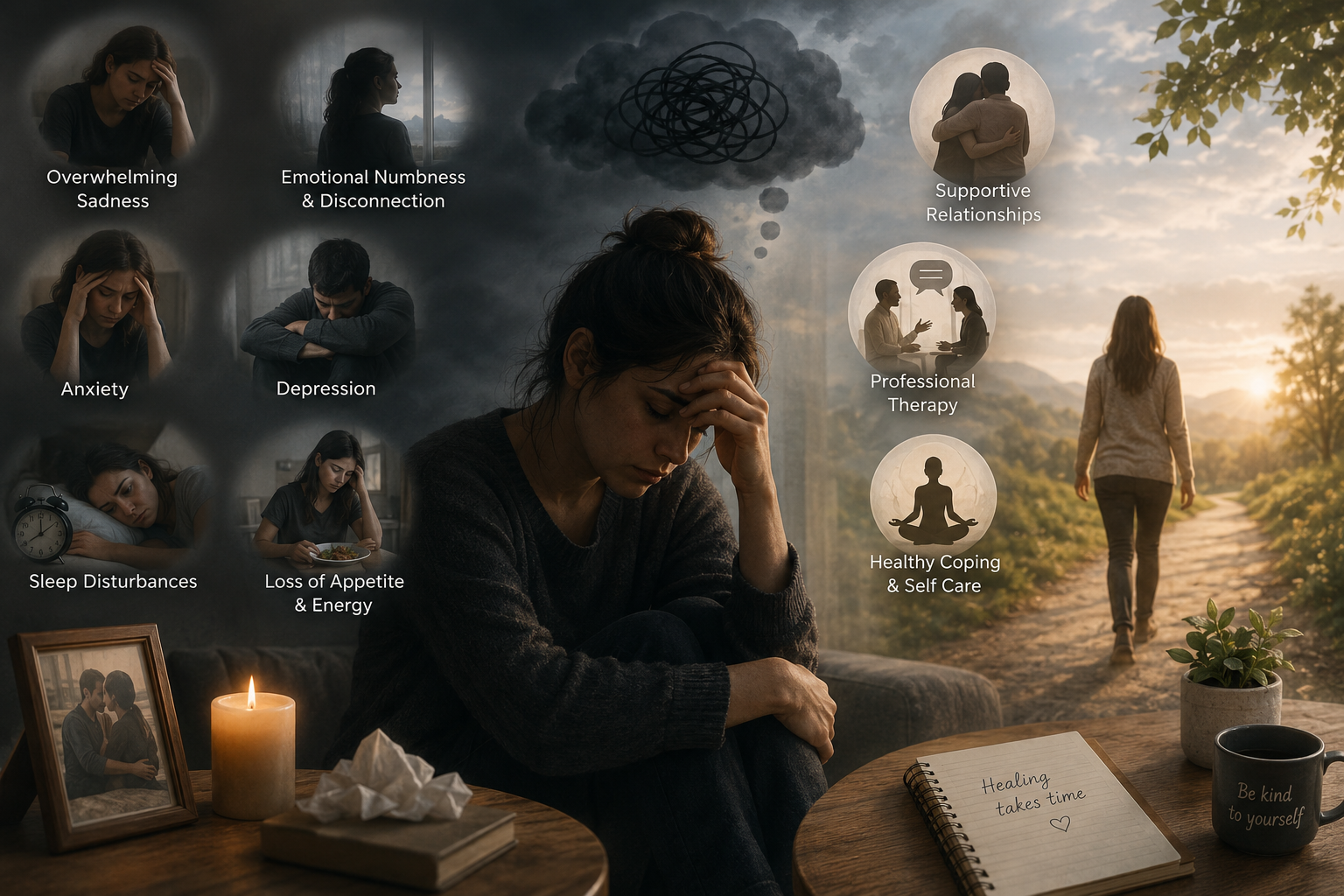
Grief affects much more than emotions. It can influence your thoughts, behaviors, physical health, relationships, and overall mental health. While grief is a natural response to loss, it can make even simple daily tasks feel overwhelming. Some people may experience waves of intense sadness, while others may feel emotionally numb or disconnected from the people and activities they once enjoyed.
Untreated grief may also contribute to prolonged grief disorder, anxiety disorders, depression, sleep disturbances, and emotional burnout in some individuals.
During the grieving process, it is common to experience changes in concentration, motivation, sleep, appetite, and energy levels. Many people find it difficult to focus at work or school, make decisions, or maintain their usual routines. Grief may also lead to feelings of loneliness, guilt, anger, anxiety, or uncertainty about the future, particularly after a significant or unexpected loss.
Although these reactions are a normal part of grieving, prolonged or intense grief can sometimes increase the risk of mental health concerns such as depression, anxiety, or prolonged grief disorder. This is why recognizing emotional changes early and seeking support when needed is important.
Learning healthy ways of coping with grief and loss, maintaining supportive relationships, and seeking professional therapy when grief begins to interfere with daily life can promote healing and emotional resilience. With the right support, individuals can gradually adjust to life after loss while continuing to honor the memories and meaning of what they have lost.
Types of Grief and Loss
Grief is not a one-size-fits-all experience. Everyone processes loss differently, depending on their relationship with what was lost, personal coping style, cultural background, and life circumstances. Understanding the types of grief and loss can help people recognize their experiences and identify the most appropriate support or therapy.
Normal Grief
The natural response to a significant loss. It may involve sadness, longing, anger, or periods of emotional pain that gradually become less intense over time as most people slowly adapt and find meaning and balance again.
Anticipatory Grief
Occurs before an expected loss, such as when a loved one has a terminal illness or a progressive medical condition. Individuals may begin grieving while the person is still alive as they prepare emotionally for the changes ahead.
Complicated Grief (Prolonged Grief Disorder)
Sometimes grief remains intense for an extended period and significantly interferes with daily life. Professional support and evidence-based grief counseling techniques can help individuals navigate prolonged grief.
Delayed Grief
Some people do not experience the full emotional impact of a loss immediately. Instead, grief may surface months or even years later, often triggered by another life event, anniversary, or reminder of the loss.
Disenfranchised Grief
Occurs when a person's loss is not openly acknowledged or socially supported, such as the loss of a pet, the end of a relationship, or miscarriage. This lack of validation can make grieving more challenging.
Collective Grief
Experienced by a community, group, or society following a shared loss or traumatic event, such as a natural disaster, pandemic, accident, or public tragedy, creating a shared sense of mourning.
Secondary Loss
Sometimes one loss leads to additional losses, such as financial difficulties, changes in daily routines, loss of social connections, or a change in identity, intensifying the grieving process.
Recognizing the types of grief and loss reminds us that there is no "right" way to grieve. Every person's journey is unique, and healing takes time. If grief feels overwhelming or begins to affect your daily functioning for a prolonged period, seeking professional support can provide guidance, healthy coping strategies, and compassionate care.
Therapy for Grief and Loss: What Works?
Grief is a natural response to loss, but that doesn't mean you have to face it alone. While many people gradually adapt with the support of family, friends, and time, others may find that grief becomes overwhelming or begins to interfere with daily life. Professional therapy for grief and loss provides a safe, supportive environment where individuals can process their emotions, understand their experiences, and develop healthy ways of moving forward.
There is no one-size-fits-all approach to grief. Every person's journey is unique, so treatment is tailored to their individual needs, the nature of their loss, and their emotional well-being. Whether through in-person sessions or online therapy for grief and loss, working with a qualified therapist can help individuals navigate the grieving process with compassion and evidence-based care.
Some of the most effective approaches include:
Cognitive Behavioral Therapy (CBT)
CBT helps individuals identify and challenge unhelpful thought patterns, such as excessive guilt, self-blame, or hopelessness that may develop after a loss. It also teaches practical coping skills to manage difficult emotions, improve daily functioning, and build emotional resilience.
Grief Counseling
Grief counseling provides a supportive and non-judgmental space to express emotions, process the reality of the loss, and adjust to life without the person or situation that has been lost. It is often recommended for bereavement, but can also help with relationship breakdowns, pregnancy loss, serious illness, job loss, or major life transitions.
Acceptance and Commitment Therapy (ACT)
ACT encourages individuals to accept painful emotions instead of avoiding them. It focuses on developing psychological flexibility and taking meaningful actions that align with personal values, even while grief remains present.
Interpersonal Therapy (IPT)
IPT helps people understand how grief affects relationships and communication. It strengthens social support, improves interpersonal connections, and helps individuals navigate changes in family roles or relationships following a loss.
Mindfulness-Based Approaches
Mindfulness techniques help individuals stay present with their emotions without becoming overwhelmed by them. Practices such as mindful breathing, meditation, and grounding exercises can reduce emotional distress during the grieving process.
Narrative Therapy
Narrative Therapy helps individuals explore and reshape the personal stories they tell about their loss. By honoring memories and finding meaning in their experiences, people can develop a healthier relationship with grief while moving forward with hope.
Support Groups
Connecting with others who have experienced similar losses can reduce feelings of isolation and provide reassurance that grief is a shared human experience, offering understanding, encouragement, and practical coping strategies.
Professional therapy for grief and loss is not about forgetting the person or experience you've lost. Instead, it helps you process your emotions, adapt to life after loss, and develop healthy ways of coping with grief and loss while honoring the memories that remain.
Healthy Coping Strategies for Grief and Loss
While grief cannot be rushed or "fixed," healthy coping strategies can help you navigate the healing process with greater resilience. Everyone grieves differently, so it's important to find approaches that feel supportive and meaningful to you. These strategies work best alongside professional therapy for grief and loss rather than replacing it.
Allow yourself to experience and express your emotions without judgment.
Talk to trusted family members, friends, or a support group.
Maintain a regular sleep schedule and eat balanced, nutritious meals.
Engage in regular physical activity, such as walking, yoga, or light exercise.
Practice mindfulness, meditation, or deep breathing to manage emotional stress.
Write in a journal to process your thoughts and feelings.
Create meaningful rituals to honor the person or experience you've lost, such as looking through photographs or lighting a candle.
Be patient with yourself and recognize that healing is a gradual process.
Return to hobbies or activities that bring comfort and a sense of purpose when you feel ready.
Seek professional support if grief feels overwhelming or begins to interfere with your daily life.
When Should You Seek Professional Help?
Grief is a natural response to loss, and there is no set timeline for healing. While many people gradually adjust with the support of family, friends, and healthy coping strategies, some may find that their grief becomes so intense that it begins to interfere with daily life. Seeking professional help is not a sign of weakness—it is a positive step toward healing and emotional well-being.
You should consider reaching out to a therapist if:
Your grief feels overwhelming or does not become more manageable over time
Intense sadness, guilt, or emotional pain continues to interfere with your daily routine
You find it difficult to return to work, school, or other everyday responsibilities
You withdraw from family, friends, or social activities for a prolonged period
Changes in sleep, appetite, or energy levels persist and begin affecting your physical health
You feel emotionally numb, hopeless, or unable to find meaning or purpose after the loss
You rely on alcohol, drugs, or other unhealthy coping mechanisms to manage your emotions
You experience persistent thoughts that life is not worth living — seek immediate support from a trusted person or professional
Professional therapy for grief and loss provides a safe and compassionate space to explore your emotions, understand your grieving process, and learn healthy coping strategies. With the right support, it is possible to adapt to life after loss while honoring the memories and relationships that remain meaningful.
How Well Hope Can Help You Heal from Grief and Loss
Grieving can feel overwhelming, but you don't have to go through it alone. At Well Hope, we provide compassionate, evidence-based mental health support to help individuals navigate grief, process difficult emotions, and gradually adapt to life after loss. Whether you're coping with the death of a loved one, the end of a relationship, pregnancy loss, the loss of a pet, or another significant life change, our experienced therapists are here to support you every step of the way.
Our team offers personalized grief counselling and online therapy for grief and loss, tailored to your unique experiences, emotional needs, and goals. Through evidence-based approaches such as Cognitive Behavioral Therapy (CBT), grief counseling, and other therapeutic techniques, we help you understand your emotions, build healthy coping strategies, and strengthen your emotional resilience.
Connect with qualified and compassionate therapists
Book confidential therapy sessions online or in person
Receive personalized treatment plans based on your individual needs
Learn healthy coping strategies to manage grief and emotional distress
Improve your overall mental health and emotional well-being
Build resilience and regain confidence as you move forward
Healing from grief doesn't mean forgetting the person or experience you've lost. It means learning to carry those memories with love while rediscovering hope, purpose, and meaning in your own life. With the right support, healing is possible.
You don't have to face grief alone.
Book a confidential consultation with Well Hope today and take the first step toward healing.
Benefits of Grief Counseling
Seeking professional support can make a meaningful difference in the healing process. While grief is a natural response to loss, grief counseling provides guidance, coping strategies, and emotional support to help individuals navigate their journey in a healthy and compassionate way.
Safe Space to Express Emotions
A confidential, non-judgmental environment to openly share sadness, anger, guilt, or fear.
Promotes Healthy Coping Skills
Practical strategies to manage overwhelming emotions and navigate difficult days more effectively.
Improves Emotional Well-Being
Reduces emotional distress, strengthens resilience, and promotes better overall mental health.
Reduces Feelings of Isolation
Helps you feel heard and supported while encouraging stronger connections with loved ones.
Helps You Adapt to Life After Loss
Finds healthy ways to adjust to life while honoring your memories and emotional connections.
Identifies Complicated Grief Early
Recognizes prolonged grief signs early and recommends evidence-based interventions.
Strengthens Emotional Resilience
Builds confidence to cope with future challenges and manage difficult emotions.
Supports Long-Term Healing
Promotes improved emotional balance, healthier relationships, and renewed purpose over time.
Take the first step. Let's rewrite your story together with care, clarity, and compassion.
Frequently Asked Questions
Find answers to the most common queries about Grief and Loss.
What is grief?
What are the common signs of grief?
The common signs of grief include sadness, frequent crying, anger, guilt, anxiety, emotional numbness, fatigue, sleep disturbances, changes in appetite, difficulty concentrating, and withdrawing from family or friends. Everyone experiences grief differently, so these reactions can vary from person to person.
What are the different types of grief and loss?
There are several types of grief and loss, including normal grief, anticipatory grief, prolonged grief disorder (complicated grief), delayed grief, disenfranchised grief, collective grief, and grief related to major life changes or secondary losses. Each person's grieving experience is unique.
How long does grief last?
There is no fixed timeline for grief. Some people begin to feel better over time, while others may grieve for months or even years. The intensity of grief often changes rather than completely disappearing. Healing is a gradual process, and everyone moves through it at their own pace.
Is grief different from depression?
Yes. Grief is a natural response to loss and often comes in waves, while depression is a mental health condition marked by persistent sadness, hopelessness, and loss of interest that significantly affects daily life. If you're unsure which you're experiencing, a mental health professional can provide the right assessment and support.
What are healthy ways of coping with grief and loss?
Healthy ways of coping with grief and loss include talking to trusted loved ones, maintaining a regular routine, practicing self-care, expressing emotions, engaging in physical activity, journaling, practicing mindfulness, and seeking professional support when needed.
What are the benefits of grief counseling?
The benefits of grief counseling include emotional support, improved coping skills, reduced feelings of isolation, healthier emotional expression, greater resilience, and guidance in adjusting to life after loss. Counseling provides a safe and compassionate space to process grief at your own pace.
What grief counseling techniques are commonly used?
Some effective grief counseling techniques include Cognitive Behavioral Therapy (CBT), grief-focused counseling, Acceptance and Commitment Therapy (ACT), mindfulness-based approaches, narrative therapy, and supportive psychotherapy. The most appropriate approach depends on an individual's needs and the nature of their loss.
When should I seek therapy for grief and loss?
You should consider therapy for grief and loss if your grief feels overwhelming, continues to interfere with your daily life, affects your relationships or work, or if you find it difficult to cope even after time has passed. Seeking support early can promote healthy healing and emotional well-being.
Is online therapy for grief and loss effective?
Yes. Online therapy for grief and loss can be just as effective as in-person therapy for many individuals. It offers flexibility, privacy, and access to qualified therapists, making professional support more convenient and accessible.
Can children and teenagers experience grief?
Yes. Children and teenagers experience grief differently from adults, and their reactions may vary depending on their age and understanding of loss. They may express grief through changes in behavior, mood, school performance, or social interactions. Early support can help them process their emotions in healthy ways.

Leave a Comment
We would love to hear your thoughts and experiences.