
Health anxiety is a condition where a person becomes excessively worried about having or developing a serious illness, even after receiving reassurance or normal medical test results. These worries can significantly affect daily life and mental health.
✨ Well Hope
Health Anxiety Counselling
Find Relief from Constant Health Worries with Expert Support
Professional Care
Understanding Health Anxiety: Symptoms, Treatment & Support
Have you ever noticed a small headache and immediately wondered if it was something serious? Or perhaps you searched your symptoms online and became convinced that you had a life-threatening illness, even after a doctor reassured you that everything was normal. Occasionally worrying about your health is completely natural. We all pay attention to changes in our bodies from time to time. However, when these worries become constant, overwhelming, and begin affecting your daily life, they may be linked to health anxiety. Many people experiencing health anxiety symptoms feel trapped in a cycle of fear, reassurance, and worry. The good news is that support is available, and with the right care, people can learn to manage these fears and improve their mental health. In this guide, you'll learn about health anxiety symptoms, what causes health anxiety, how it affects mental health, effective treatment options, how CBT for health anxiety works, and how Well Hope can help you take the first step toward recovery.
What Is Health Anxiety?
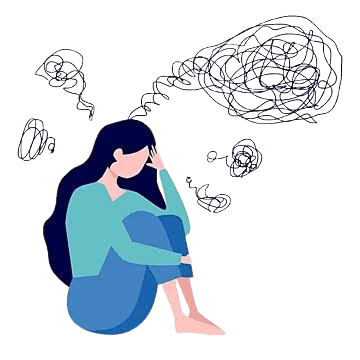
Health anxiety is also known clinically as Illness Anxiety Disorder (IAD). In the past, it was commonly referred to as hypochondria, although mental health professionals now use more accurate clinical terms. People with illness anxiety disorder often experience excessive health worries even when medical evaluations show no serious illness. Understanding this condition can help reduce stigma and encourage people to seek appropriate support.
Health anxiety is a condition where a person becomes excessively worried about having or developing a serious illness. Even when medical tests are normal or doctors provide reassurance, the fear often remains. Someone with health anxiety may constantly monitor their body, search for symptoms online, or repeatedly visit doctors looking for reassurance.
While these behaviors may provide temporary relief, the worry usually returns. Recognizing health anxiety symptoms early is important because ongoing fear can significantly impact your mental health, relationships, work, and overall quality of life.
Common Health Anxiety Symptoms
Everyone experiences health anxiety differently, but there are several common health anxiety symptoms to look out for. These include:
- Constantly worrying about having a serious illness
- Frequently checking your body for changes or unusual sensations
- Searching symptoms online for long periods
- Difficulty believing medical reassurance
- Repeated visits to different doctors
- Feeling anxious after hearing about illnesses in the news or on social media
- Interpreting normal body sensations as signs of disease
- Trouble concentrating because of health-related worries
- Difficulty sleeping due to fear about your health
- Avoiding hospitals, clinics, or health information because it increases anxiety These health anxiety symptoms often become a repeating cycle. A harmless physical sensation leads to worry, the worry increases anxiety, anxiety causes more physical sensations, and the cycle continues. Many people don't realize that anxiety itself can cause symptoms such as dizziness, muscle tension, stomach discomfort, rapid heartbeat, and headaches, making the fear feel even more real.
Why Does Health Anxiety Happen?
There isn't one single reason why someone develops health anxiety. Instead, it usually develops because of several factors working together. These may include:
- Previous experiences with serious illness
- A family history of anxiety
- Losing a loved one due to illness
- Constant exposure to health-related news
- Stressful life events
- Personality traits such as perfectionism or excessive worrying
- Childhood experiences involving illness Understanding these factors can help reduce self-blame and encourage healthier ways of managing your mental health.
How Health Anxiety Affects Mental Health
Health anxiety is about much more than worrying about illness. Over time, it can begin affecting nearly every part of a person's life. People living with health anxiety may:
- Struggle to enjoy daily activities
- Feel emotionally exhausted
- Experience ongoing stress
- Avoid social situations
- Spend hours researching illnesses
- Constantly seek reassurance from family or doctors
- Find it difficult to focus at work or school These patterns can gradually affect overall mental health, leading to increased stress, low mood, social isolation, and reduced confidence.
Looking after your mental health means paying attention not only to physical symptoms but also to the thoughts and emotions driving those fears.
Signs of a Health Anxiety Attack
Sometimes health anxiety becomes so intense that it feels overwhelming. These moments are often referred to as a health anxiety attack. Common signs include:
- Sudden fear that you have a serious illness
- Racing heartbeat
- Chest tightness
- Difficulty breathing
- Sweating
- Shaking
- Feeling dizzy
- Urgent need to check your body
- Feeling certain that something is medically wrong
- Immediate need for reassurance Although these experiences can feel frightening, they are often driven by anxiety rather than a medical emergency.
Learning to recognize these patterns can help reduce fear and encourage healthier coping strategies. If these episodes happen frequently, speaking with a mental health professional is an important step.
Health Anxiety Treatment That Works
The encouraging news is that effective treatment is available. The best approach to health anxiety treatment often combines therapy, education, healthy lifestyle habits, and professional support. Common treatment options include:
Psychological Therapy
Talking with a therapist helps you understand why health worries continue and teaches healthier ways of responding to them.
Cognitive Behavioral Therapy
One of the most effective treatments for health anxiety is CBT for health anxiety, which focuses on changing unhelpful thinking and behavior patterns.
Medication
for some people, medication may be recommended by a psychiatrist when anxiety is severe or persistent.
Healthy Lifestyle Changes
Regular exercise, balanced nutrition, good sleep, mindfulness, and reducing unnecessary symptom checking can all support recovery and improve mental health.
CBT for Health Anxiety:
How It Helps Among all available therapies, CBT for health anxiety is one of the most researched and effective approaches. Rather than simply talking about worries, CBT for health anxiety teaches practical skills that help break the cycle of fear. During CBT for health anxiety, you may learn to:
- Identify unhelpful thoughts
- Challenge catastrophic thinking
- Reduce excessive body checking
- Limit reassurance-seeking behaviors
- Manage uncertainty
- Practice relaxation techniques
- Build confidence in coping with anxiety.
Over time, CBT for health anxiety helps people respond more calmly to normal body sensations instead of automatically assuming the worst. These skills continue to support mental health long after therapy has ended.
Everyday Tips to Manage Health Anxiety
Professional support is valuable, but small daily habits can also make a meaningful difference. Consider trying these strategies:
- Limit symptom searching online
- Practice slow, deep breathing
- Stay physically active
- Maintain a healthy sleep routine
- Practice mindfulness or meditation
- Write down anxious thoughts instead of reacting immediately
- Reduce unnecessary body checking
- Stay connected with supportive people
- Focus on enjoyable hobbies
- Reach out for professional support when needed These habits won't eliminate anxiety overnight, but they can gradually reduce its impact while supporting your overall mental health.
When Should You Seek Professional Help?
You should consider reaching out for support if:
- Health anxiety symptoms continue for several weeks.
- Your worries interfere with work, studies, or relationships.
- You repeatedly seek reassurance from doctors or loved ones.
- Health fears stop you from enjoying daily life.
- Your mental health feels increasingly affected.
- Self-help strategies no longer seem enough. Seeking support early often leads to better outcomes and faster recovery.
How Well Hope Can Support Your Mental Health Journey
Taking the first step toward therapy can feel difficult, but you don't have to do it alone. Well Hope is dedicated to making quality mental health support more accessible, compassionate, and personalized.
Whether you're struggling with health anxiety symptoms, looking for effective therapy, or hoping to improve your overall mental health, Well Hope connects you with qualified professionals who understand what you're experiencing.
Through Well Hope, you can:
- Find experienced mental health professionals
- Book confidential therapy sessions
- Learn about evidence-based treatments such as CBT for health anxiety
- Access reliable mental health resources
- Receive personalized support in a safe and welcoming environment At Well Hope, the goal isn't simply to reduce anxiety it is to help people build confidence, resilience, and lasting emotional well-being. Every journey is different, and Well Hope is here to support you every step of the way.
Benefits of Seeking Health Anxiety Treatment Early
Recognizing health anxiety symptoms early and seeking professional support can significantly improve your emotional well-being and overall mental health. Effective health anxiety treatment helps break the cycle of constant worry, reassurance-seeking, and fear, allowing you to live with greater confidence and peace of mind.
1. Reduced Constant Health Worries
The right health anxiety treatment helps reduce excessive fears about illness, making it easier to respond calmly to normal body sensations.
2. Improved Mental Health
Managing health anxiety symptoms can reduce stress, emotional exhaustion, and persistent worry while improving your overall mental health and emotional resilience.
3. Less Reassurance-Seeking
Evidence-based approaches like CBT for health anxiety help reduce the need to repeatedly visit doctors, search symptoms online, or constantly seek reassurance from family and friends.
4. Better Daily Functioning
As anxiety decreases, it becomes easier to focus at work or school, enjoy hobbies, and participate fully in everyday life without constant health-related fears.
5. Healthier Thinking Patterns
CBT for health anxiety teaches practical skills to challenge catastrophic thinking, manage uncertainty, and respond more realistically to physical sensations.
6. Improved Relationships
Reducing health-related worries can improve communication, strengthen relationships, and lessen the emotional strain that constant reassurance-seeking may place on loved ones.
7. Greater Confidence and Independence
Learning to trust your body's normal sensations and cope with uncertainty helps build confidence and reduces dependence on frequent medical reassurance.
8. Better Quality of Life
Early health anxiety treatment allows you to spend less time worrying about illness and more time enjoying meaningful experiences, supporting long-term mental health and emotional well-being
Take the first step. Let's rewrite your story together with care, clarity, and compassion.
Frequently Asked Questions
Find answers to the most common queries about our healing program.
What is health anxiety?
What are the common health anxiety symptoms?
Some common causes of insomnia include stress, anxiety, depression, poor sleep habits, medical conditions, certain medications, excessive caffeine, and irregular sleep schedules. Often, several factors contribute to sleep difficulties.
What causes health anxiety?
There is no single cause of health anxiety. It may develop due to previous experiences with illness, a family history of anxiety, losing a loved one to illness, stressful life events, childhood experiences, excessive exposure to health-related information, or certain personality traits such as perfectionism.
What is a health anxiety attack?
A health anxiety attack is an intense episode of fear where a person becomes convinced they have a serious medical condition. Common symptoms include a racing heartbeat, chest tightness, sweating, dizziness, shaking, difficulty breathing, and an urgent need to seek reassurance or check for symptoms.
What is the most effective health anxiety treatment?
The most effective health anxiety treatment often includes psychotherapy, healthy lifestyle changes, stress management techniques, and, when appropriate, medication. Many mental health professionals recommend CBT for health anxiety because of its strong evidence in reducing health-related fears.
How does CBT for health anxiety help?
CBT for health anxiety (Cognitive Behavioral Therapy) helps people identify and challenge unhelpful thoughts, reduce excessive body checking and reassurance-seeking, manage uncertainty, and develop healthier responses to physical sensations.
Can health anxiety go away without treatment?
Mild health-related worries may improve over time, but persistent health anxiety symptoms often require professional support. Early health anxiety treatment can help prevent symptoms from becoming more severe and improve overall mental health.
When should I seek professional help for health anxiety?
You should consider professional support if health anxiety symptoms continue for several weeks, interfere with work, relationships, or daily activities, cause repeated doctor visits, or significantly affect your mental health and quality of life.
Can lifestyle changes help manage health anxiety?
Yes. Practicing mindfulness, exercising regularly, maintaining healthy sleep habits, limiting online symptom searches, reducing unnecessary body checking, and staying socially connected can complement professional health anxiety treatment and improve emotional well-being.
How can Well Hope help with health anxiety?
Well Hope connects individuals with experienced mental health professionals who provide personalized health anxiety treatment, evidence-based therapies such as CBT for health anxiety, confidential therapy sessions, and compassionate support to help manage health anxiety symptoms and improve overall mental health.

Leave a Comment
We would love to hear your thoughts and experiences.