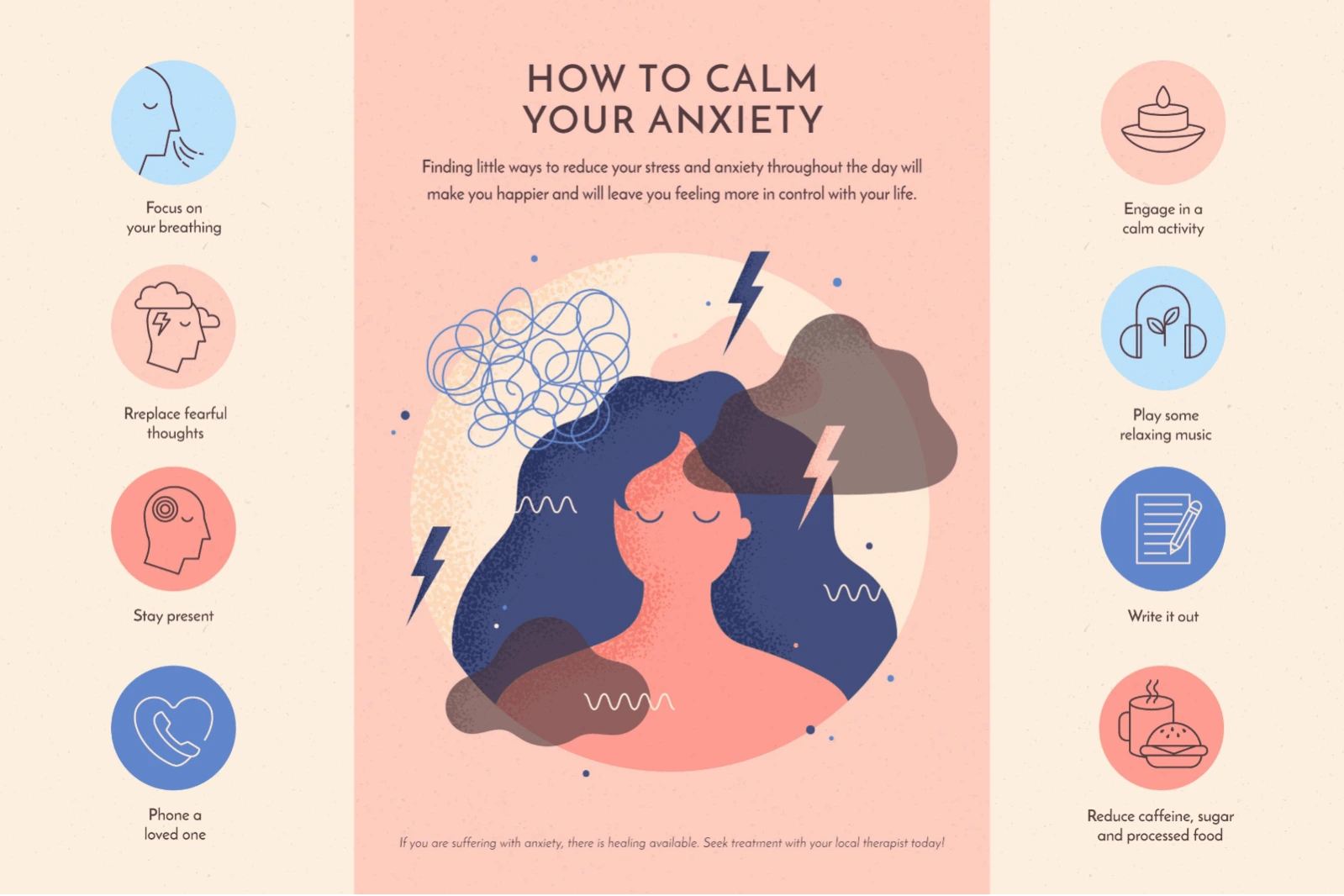
A phobia is an anxiety disorder that causes an intense and persistent fear of a specific object, situation, or activity. The fear is often much greater than the actual danger and can interfere with daily life.
Confidential & Non-Judgmental Support
Living with a Phobia?
Understanding Your Fear and Finding the Courage to Overcome It
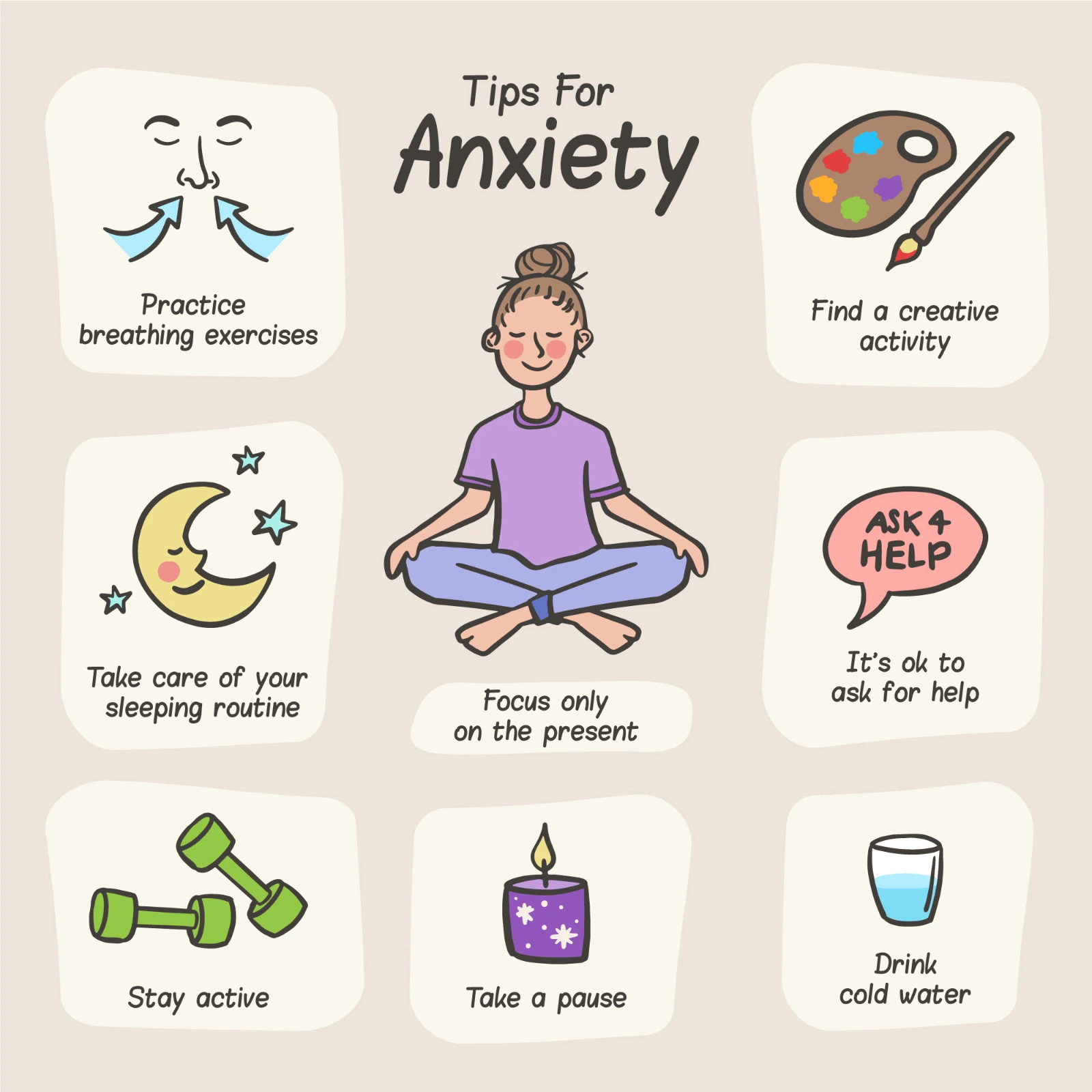
Safe & Confidential
Living with a Phobia? Understanding Your Fear and Finding the Courage to Overcome It
Most of us have fears. Some people dislike heights, others feel nervous before speaking in public, while some avoid insects or crowded places. These fears are often manageable and don't stop us from living our lives. However, when fear becomes intense, persistent, and overwhelming, it may be more than just ordinary fear it could be a phobia.
A phobia is an anxiety disorder that causes an excessive and irrational fear of a particular object, situation, activity, or place. Even though a person usually understands that their fear is stronger than the actual danger, controlling the emotional and physical response can feel almost impossible. Living with a phobia can affect many aspects of daily life.
People may avoid certain places, decline social invitations, miss career opportunities, or even change their routines to avoid what they fear. Over time, this avoidance can reduce confidence and increase anxiety. The encouraging news is that phobias are highly treatable. With professional support, evidence-based therapies, and gradual exposure to feared situations, many people successfully regain control of their lives.
At Well Hope, experienced therapists provide Phobia Counselling Online and Cognitive Behavioral Therapy (CBT) for Phobia Treatment to help individuals understand their fears, reduce anxiety, and build lasting confidence. In this guide, we'll explore what a phobia is, the different types of phobias, their symptoms and causes, how they affect everyday life, and the treatment options available to help you move forward with confidence.
Getting Clarity
What Is a Phobia?
A phobia is much more than simply being afraid of something. It is a recognized anxiety disorder in which a person experiences an intense, persistent, and often overwhelming fear of a specific object, place, activity, or situation.
A phobia is an anxiety disorder characterized by an intense, persistent, and irrational fear of a specific object, situation, or activity that leads to avoidance and distress.
This fear is usually much greater than the actual level of danger involved. For example, many people feel nervous before boarding an aeroplane or standing near the edge of a tall building. These reactions are normal. However, someone with a phobia may experience such severe anxiety that they avoid flying altogether or refuse to visit places with even moderate heights, despite understanding that these situations are generally safe.
The brain treats the feared object or situation as a serious threat, triggering the body's "fight, flight, or freeze" response. As a result, individuals may experience symptoms such as a racing heart, sweating, dizziness, shaking, or shortness of breath within seconds of encountering or even thinking about their fear. One of the biggest challenges with a phobia is avoidance.
While avoiding the feared situation may provide temporary relief, it often reinforces the fear, making it stronger over time. This cycle can gradually limit personal freedom, relationships, education, and career opportunities.
Understanding how a phobia works is the first step toward recovery. With the right treatment, including Cognitive Behavioral Therapy (CBT) for Phobia Treatment, people can learn to manage their fears rather than allowing fear to control their lives.
Know Your Fear
Different Types of Phobias
There are hundreds of recognized phobias, but mental health professionals generally group them into three main categories. Understanding the different types of phobias can help identify the nature of your fear and guide the most appropriate treatment.
1. Specific Phobias
Specific phobias involve an intense fear of a particular object or situation. Although these fears may seem harmless to others, they can cause extreme distress for the individual experiencing them. Common examples include:
- Fear of heights (Acrophobia)
- Fear of spiders (Arachnophobia)
- Fear of snakes
- Fear of dogs
- Fear of injections or needles
- Fear of blood
- Fear of flying
- Fear of thunderstorms
- Fear of enclosed spaces (Claustrophobia)
- Fear of water
People with specific phobias often go to great lengths to avoid what they fear. For example, someone with a fear of dogs may avoid parks or neighborhoods where dogs are commonly seen. Although avoidance reduces anxiety temporarily, it prevents the brain from learning that the situation is actually safe. Among the different types of phobias, specific phobias are the most common and usually respond very well to therapy.
2. Social Phobia (Social Anxiety Disorder)
Social phobia, also known as Social Anxiety Disorder, is the fear of being judged, criticized, embarrassed, or negatively evaluated by others. People with social phobia often worry that they will say something wrong, appear awkward, or make mistakes in front of others. As a result, they may avoid situations such as:
- Speaking in meetings
- Giving presentations
- Meeting new people
- Eating in public
- Attending parties
- Job interviews
- Classroom discussions
This type of phobia can affect education, work performance, relationships, and self-esteem. Over time, avoiding social situations may lead to loneliness and reduced confidence.
With the right support, including Phobia Counselling Online, individuals can gradually develop healthier ways of managing social anxiety and improve their confidence in everyday interactions.
3. Agoraphobia
Agoraphobia is one of the more complex different types of phobias. It involves a fear of being in situations where escaping might be difficult or where help may not be available if anxiety or panic occurs. People with agoraphobia may avoid:
- Shopping malls
- Crowded markets
- Public transport
- Standing in queues
- Large gatherings
- Travelling alone
- Leaving home without a trusted person
In severe cases, individuals may become increasingly isolated and find it difficult to leave their homes.
Fortunately, professional treatment, particularly Cognitive Behavioral Therapy (CBT) for Phobia Treatment, has been shown to be highly effective in helping people gradually regain their independence.
Inclusive & Accessible
We Promote Cultural Diversity
Book your session in the following languages. Our multilingual approach breaks down communication barriers, making therapy more inclusive and deeply effective for everyone.
Hindi
English
Punjabi
Marathi
Bengali
Tamil
Malayalam
Telugu
Kannada
Gujrati
Sindhi
What to Look For
Symptoms of a Phobia
The symptoms of a phobia go beyond feeling nervous. They can affect a person's thoughts, emotions, body, and behavior, often appearing within moments of encountering the feared object or situation.
Emotional Symptoms
Emotionally, a person may experience overwhelming fear, panic, helplessness, or a strong desire to escape. Even thinking about the feared situation can trigger anxiety. Many individuals also spend days or weeks worrying about situations where they might encounter their fear. They often recognize that their fear is excessive, but this awareness alone is usually not enough to reduce their anxiety.
Physical Symptoms
When faced with the feared situation, the body activates its natural survival response. This can cause:
- Rapid heartbeat
- Sweating
- Trembling or shaking
- Shortness of breath
- Chest tightness
- Dizziness
- Dry mouth
- Nausea
- Feeling faint
These symptoms can sometimes become so intense that they resemble a panic attack, making the experience even more frightening.
Behavioral Symptoms
Behavioral changes are one of the defining features of a phobia. Many people begin avoiding the object or situation they fear altogether. For example, someone with a fear of flying may choose long road journeys instead of taking a short flight. A person with social anxiety may repeatedly decline invitations, avoid presentations, or turn down career opportunities that involve interacting with others. Although avoidance provides temporary relief, it often strengthens the fear over time, making recovery more difficult without professional support.
Root Causes
What Causes a Phobia?
There is rarely a single cause behind a phobia. Instead, it usually develops through a combination of life experiences, personality traits, biological factors, and learned behavior's. One of the most common causes is a traumatic experience.
For example, a child who has been bitten by a dog may later develop an intense fear of dogs. Similarly, someone who experiences severe turbulence during a flight may begin avoiding air travel altogether. Phobias can also develop through observation. Children often learn fears from parents or caregivers.
If they repeatedly see a family member reacting fearfully to certain situations, they may begin to view those situations as dangerous themselves. Research also suggests that genetics and brain chemistry may increase a person's vulnerability to anxiety disorders.
Individuals with a family history of anxiety may be more likely to develop a phobia. Stressful life events, panic attacks, childhood trauma, and ongoing anxiety can also contribute to the development of irrational fears. Sometimes, however, people cannot identify exactly when or why their phobia began. This is completely normal and does not affect the effectiveness of treatment.
Beyond the Fear
How Can a Phobia Affect Daily Life?
Many people underestimate the impact a phobia can have on everyday life. While avoiding a feared situation may seem like an easy solution, it often creates new challenges over time. A phobia can affect education, career opportunities, relationships, travel, and even simple daily activities. Someone with a fear of public speaking may avoid promotions at work. A person with a fear of driving may become dependent on others for transportation.
Someone with social anxiety may miss important social events, leading to feelings of loneliness and isolation. Avoidance can also reduce confidence. Each time a feared situation is avoided, the brain receives the message that the situation is dangerous, making future encounters feel even more threatening. Over time, living with a phobia can contribute to chronic stress, reduced self-esteem, depression, and other anxiety disorders.
The good news is that early intervention can break this cycle. With professional guidance, individuals can gradually face their fears, build resilience, and regain the confidence to participate fully in everyday life.
Prevention
Can Phobias Be Prevented?
While not every phobia can be prevented, learning healthy ways to manage anxiety and stress can reduce the risk of developing long-term fears. Building emotional resilience through relaxation techniques, maintaining a healthy lifestyle, talking openly about your fears, and gradually facing situations instead of avoiding them can all help prevent fear from becoming overwhelming.
If a fear starts interfering with your daily life, seeking Phobia Counselling Online early can make a significant difference. Evidence-based approaches such as Cognitive Behavioral Therapy (CBT) for Phobia Treatment help individuals develop healthier responses to fear, reduce avoidance behavior's, and regain confidence before a phobia begins to impact their personal, social, or professional life.
Evidence-Based
Cognitive Behavioral Therapy (CBT) for Phobia
Treatment helps break this cycle by teaching healthier ways of thinking and responding. During CBT, your therapist may help you:
- Understand Your Fear: You'll learn how anxiety develops, why your brain reacts the way it does, and how avoidance keeps fear alive.
- Identify Negative Thinking Patterns: Many fears are fueled by exaggerated or unrealistic beliefs. CBT helps you recognize these patterns and replace them with more balanced, evidence-based thinking.
- Learn Practical Coping Skills: Your therapist will teach techniques such as relaxation, breathing exercises, grounding, and emotional regulation to reduce anxiety during difficult situations.
- Gradual Exposure: Rather than forcing you to confront your biggest fear immediately, your therapist helps you progress through small, manageable steps at a pace that feels safe. Over time, your brain learns that the feared situation is not actually dangerous, causing anxiety to decrease naturally.
- Build Long-Term Confidence: The goal of CBT is not simply to reduce fear for a short period. It aims to provide lifelong skills that help you manage future challenges with greater confidence and independence.
Research consistently shows that Cognitive Behavioral Therapy (CBT) for Phobia Treatment significantly reduces anxiety, avoidance behavior's, and panic symptoms while improving overall quality of life.
When Should You Seek Professional Help?
Occasional fear is a normal part of life, but if your phobia is preventing you from living the life you want, professional support may be the right next step. Consider seeking help if:
- You avoid important places or situations because of fear.
- Your anxiety interferes with work, studies, or relationships.
- You experience panic attacks when facing your fear.
- You constantly worry about encountering the feared object or situation.
- Your fear has lasted for six months or longer.
- You feel that your world is becoming smaller because of avoidance.
Seeking help is not a sign of weakness. In fact, recognizing that you need support is often the first and most important step toward recovery.
How Well Hope Can Help
Living with a phobia can feel overwhelming, especially when fear begins to affect your daily routine, relationships, work, or personal goals. At Well Hope, we understand that every person's experience is unique, which is why our approach focuses on understanding the individual behind the fear rather than simply treating the symptoms.
Our experienced psychologists provide Phobia Counselling Online in a safe, confidential, and supportive environment, making professional help accessible from the comfort of your home. Through Phobia Counselling Online, your therapist will work with you to understand the root of your fear, identify anxiety triggers, and develop practical coping strategies.
At Well Hope, our support includes:
- Comprehensive psychological assessment
- Individualized treatment plans
- Evidence-based Cognitive Behavioral Therapy (CBT)
- Emotional support and guidance
- Practical coping and anxiety-management techniques
- Progress monitoring and ongoing support
- Confidential Phobia Counselling Online
Can Phobias Be Cured?
Yes. Most phobias respond very well to evidence-based treatments such as Cognitive Behavioral Therapy (CBT), gradual exposure therapy, relaxation training, and counselling. Although recovery time varies, many people notice significant improvement with consistent treatment.
Our goal is to help you gradually build confidence, reduce avoidance behaviors, and regain the freedom to participate in the activities that matter most to you. With the right support and evidence-based treatment, overcoming a phobia is possible. Recovery is a journey, and at Well Hope, you don't have to walk that journey alone.
Book Your Confidential Session
Common Questions
Frequently Asked Questions
What is a phobia?
What are the different types of phobias?
The main different types of phobias include specific phobias (such as fear of heights or spiders), social phobia (social anxiety disorder), and agoraphobia, which involves fear of situations where escape may be difficult.
Is Phobia Counselling Online effective?
Yes. Phobia Counselling Online provides access to qualified mental health professionals who use evidence-based techniques to help individuals manage anxiety and gradually overcome their fears from the comfort of home.
How does Cognitive Behavioral Therapy (CBT) for Phobia Treatment work?
Cognitive Behavioral Therapy (CBT) for Phobia Treatment helps individuals identify unhelpful thoughts, develop healthier coping skills, and gradually face feared situations in a safe and structured way, reducing anxiety over time.
Why should I choose Well Hope for phobia treatment?
At Well Hope, we offer personalized treatment plans, experienced therapists, confidential Phobia Counselling Online, and evidence-based Cognitive Behavioral Therapy (CBT) for Phobia Treatment to help you regain confidence and improve your quality of life.
Can Phobias Be Cured?
Yes. Most phobias respond very well to evidence-based treatments such as Cognitive Behavioral Therapy (CBT), gradual exposure therapy, relaxation training, and counselling. Although recovery time varies, many people notice significant improvement with consistent treatment.
A phobia is a learned response - and with the right support, it can be unlearned.

Leave a Comment
We would love to hear your thoughts and experiences.