
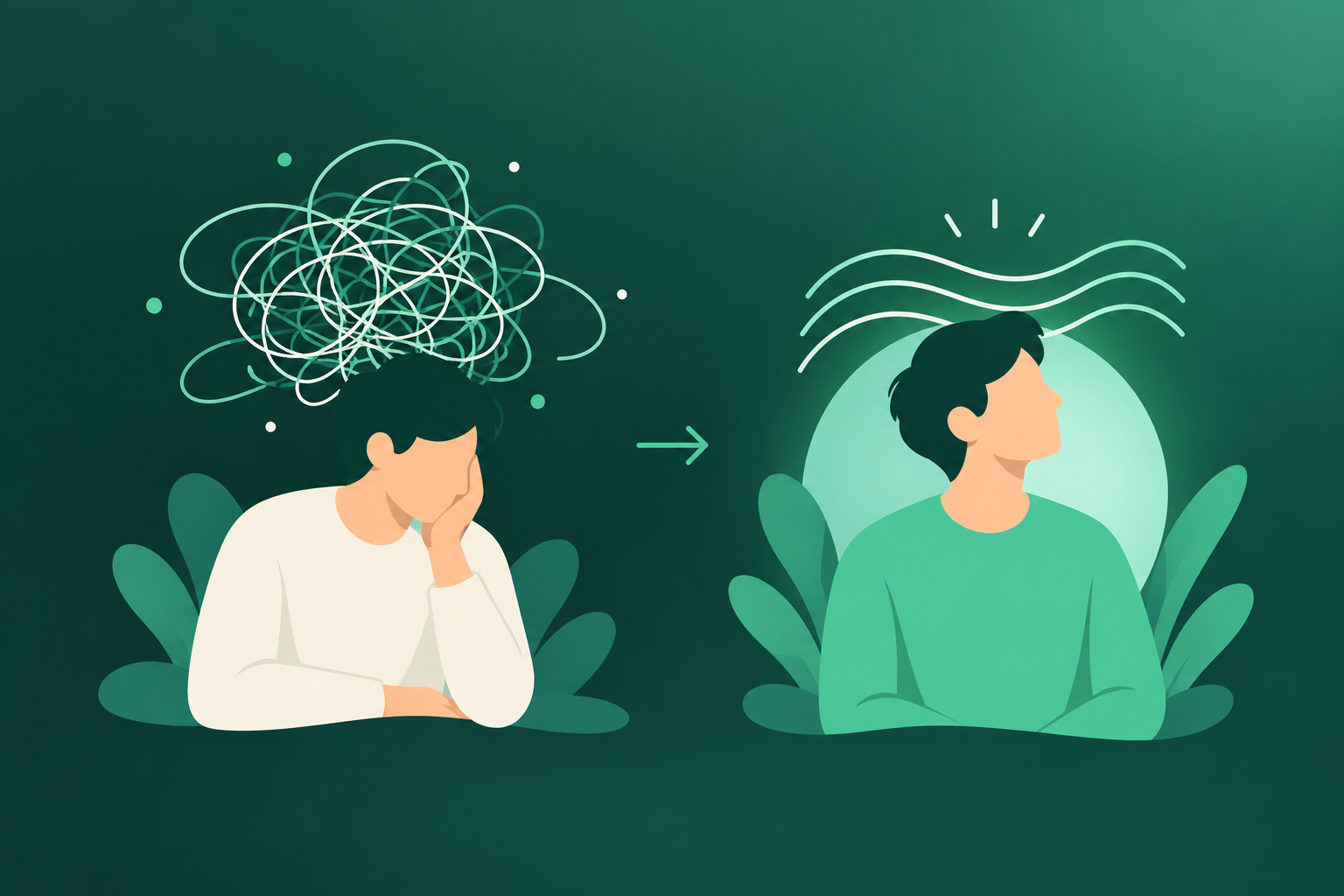
Yes, performance anxiety is common and can affect people of different genders and ages. It may involve worries about sexual performance, satisfying a partner, arousal, orgasm, or meeting perceived expectations.
Confidential & Non-Judgmental Support
Performance Anxiety Symptoms, Causes & Treatment | WellHope
Safe & Confidential
Performance Anxiety: Symptoms, Causes & Treatment
Performance anxiety is persistent worry or fear about sexual performance that can interfere with arousal, intimacy, confidence, or relationships. It may involve concerns about satisfying a partner, maintaining an erection, reaching orgasm, or meeting perceived expectations about sexual performance.
Have you ever found yourself so worried about "performing well" during intimacy that the worry itself got in the way? A racing mind, a body that won't cooperate, a fear of disappointing your partner even though nothing is physically wrong. Occasional nervousness before intimacy is common and usually passes. But when this worry becomes frequent, distressing, or starts affecting your relationship, it may point to performance anxiety a common, treatable experience that many people quietly struggle with.
Millions of people deal with sexual performance anxiety at some point, yet shame and silence often keep them from recognizing the causes of sexual performance anxiety or seeking support. The good news is that with the right approach, overcoming performance anxiety is absolutely possible. In this guide, we'll cover what performance anxiety is, its symptoms and signs, the causes of sexual performance anxiety, how performance anxiety impacts relationships and mental health, what therapy helps, when to seek support, and how WellHope can support your journey.
Getting Clarity
What Is Performance Anxiety?
Performance anxiety is a type of anxiety related to concerns about sexual performance. A person may worry about disappointing their partner, not becoming aroused, losing an erection, reaching orgasm, or not meeting their own or their partner's expectations.
Performance anxiety refers to a persistent fear or worry about one's ability to perform sexually, often centered around fears of "failing," disappointing a partner, or not measuring up to some internal or external standard. It becomes a concern not because of a single off night, but when the worry repeats, intensifies, and starts interfering with intimacy itself.
Performance anxiety can affect anyone, regardless of age, gender, or relationship experience, and it's rarely about actual physical ability it's usually rooted in fear, self-judgment, or pressure. Recognizing it early, rather than avoiding intimacy altogether, makes a significant difference in how quickly it can be worked through.
What to Look For
Performance Anxiety Symptoms and Signs
Some of the most common symptoms of performance anxiety include:
Many people assume that performance anxiety is caused by a physical problem, when it is often driven by psychological factors such as fear of failure, pressure to "perform," unrealistic expectations, or negative past experiences. Some individuals begin to view sex as a test they have to pass believing they must maintain an erection, last for a certain amount of time, satisfy their partner perfectly, or meet unrealistic standards of sexual performance.
This pressure shifts attention away from the experience itself and toward self-monitoring, making it difficult to stay present, enjoy intimacy, and respond naturally. Ironically, the more someone worries about performing well, the more likely they are to experience sexual difficulties.
Seeking support from a qualified healthcare or mental health professional can help identify the underlying factors and develop healthier, more realistic expectations about intimacy.
Inclusive & Accessible
We Promote Cultural Diversity
Book your session in the following languages. Our multilingual approach breaks down communication barriers, making therapy more inclusive and deeply effective for everyone.
Hindi
English
Punjabi
Marathi
Bengali
Tamil
Malayalam
Telugu
Kannada
Gujrati
Sindhi
Root Causes
Causes of Performance Anxiety
There is no single cause of sexual performance anxiety. Usually, several factors work together. These may include:
- Fear of judgment or disappointing a partner
- Past negative sexual experiences or a previous "failure"
- Unrealistic expectations, often shaped by porn or media
- Body image insecurities
- General anxiety or a tendency toward overthinking
- Relationship stress or unresolved conflict
- New or unfamiliar partners and situations
- Pressure to "perform" rather than connect
- Underlying depression or low self-esteem
- Fatigue, stress, or burnout from daily life
Regardless of the cause, overcoming performance anxiety is very achievable with the right support.
Beyond the Bedroom
How Performance Anxiety Impacts Relationships
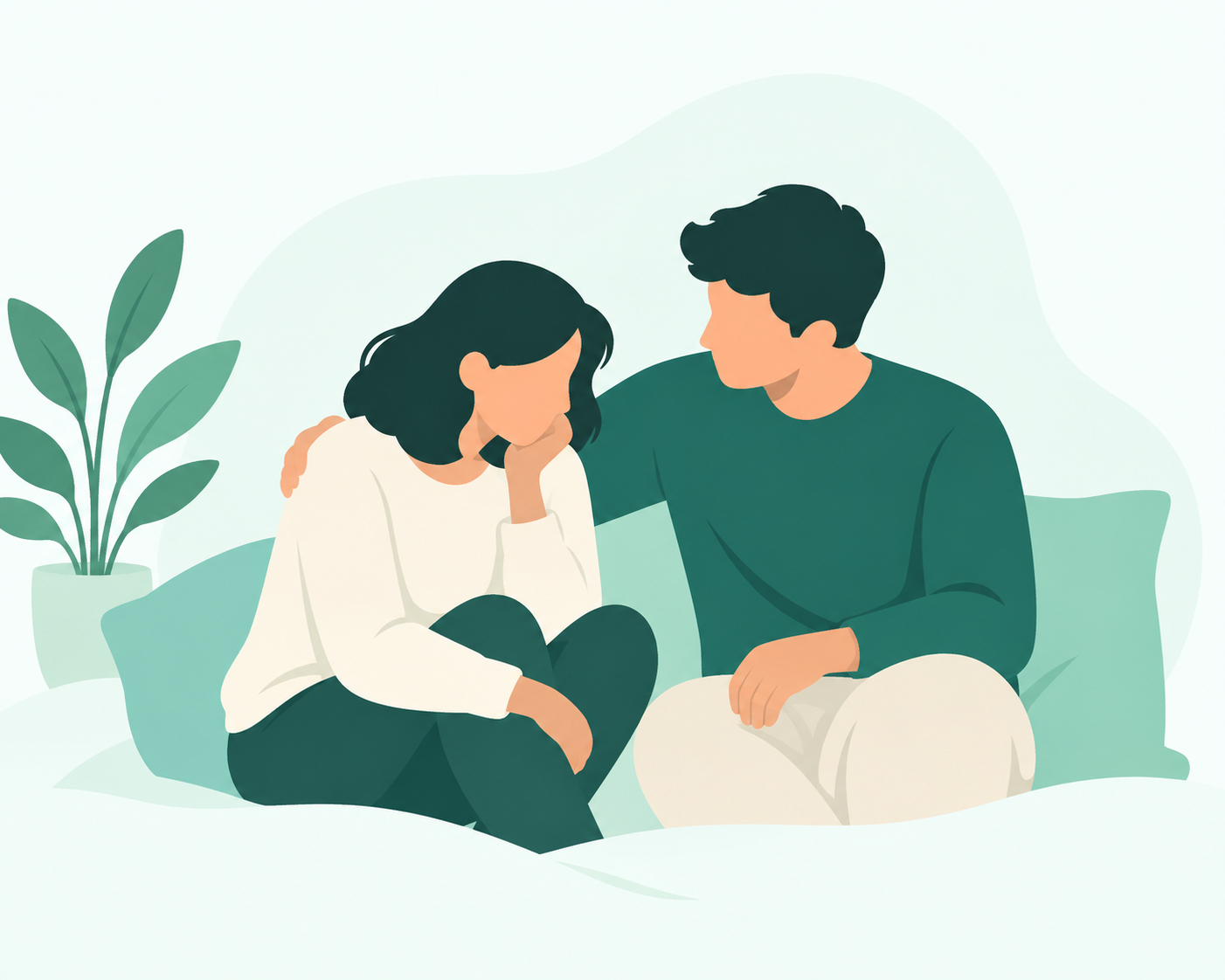
Performance anxiety can affect relationships by increasing avoidance, communication difficulties, self-consciousness, and pressure around intimacy. Partners may sometimes misunderstand anxiety as lack of attraction or interest, which can create additional emotional distance.
Performance anxiety rarely stays contained to a single moment it tends to ripple outward. For the person experiencing it, repeated worry can chip away at confidence, turning intimacy into something to dread rather than enjoy, which often deepens the anxiety even further.
For a partner, the anxiety can be easy to misread as disinterest, rejection, or a sign something is wrong with the relationship, even when that's far from the truth. Without open conversation, this often leads to a partner feeling confused or hurt, while the anxious partner feels increasingly pressured and self-conscious.
Visualising the Pattern
How the Cycle Builds
Worry About Performance
Difficulty During Intimacy
Fear It Happens Again
... and that fear makes the next attempt even harder, feeding back into worry.
How performance anxiety impacts relationships often comes down to this unspoken pressure building on both sides which is exactly why addressing it early, together, tends to make the biggest difference.
What Helps
Performance Anxiety Treatment
The good news is that effective treatment for performance anxiety is available, and most people see real improvement with the right support. Some common approaches include:
Psychological Therapy
Helps identify the specific fears and thought patterns fueling the anxiety, and builds healthier ways of relating to intimacy.
Couples Therapy
Opens up honest communication between partners, reducing the pressure and misunderstanding that often surrounds the issue.
Sex Therapy
A specialized, structured approach focused specifically on rebuilding comfort, confidence, and connection during intimacy.
Mindfulness-Based Techniques
Helps reduce overthinking and "spectatoring" mentally watching and judging yourself during intimacy by keeping attention on the present moment instead.
Lifestyle Changes
Regular exercise, stress management, and better sleep can meaningfully reduce the general anxiety that often feeds performance-related fears.
How to Overcome Performance Anxiety
Performance anxiety can often be managed by addressing the thoughts, fears, expectations, and behaviours that contribute to it. Depending on the individual, support may include therapy, communication with a partner, mindfulness or relaxation techniques, reducing performance pressure, and addressing underlying relationship or mental health concerns.
When to Seek Support
It's worth reaching out to a professional if:
- The worry has lasted more than a few weeks or months
- It's causing you distress, embarrassment, or shame
- You find yourself avoiding intimacy to sidestep the anxiety
- It's creating tension, confusion, or distance in your relationship
- The anxiety is spreading into how you feel about yourself more broadly
How WellHope Can Support Your Journey
Finding the right therapist shouldn't feel confusing or overwhelming. WellHope is committed to making mental and relational healthcare more accessible, supportive, and personalized.
Whether you're noticing symptoms of performance anxiety, navigating tension in a relationship because of it, or looking for evidence-based support, WellHope connects you with qualified professionals who understand your unique needs.
- Find licensed therapists experienced in performance anxiety and intimacy concerns
- Book individual or couples sessions online
- Access confidential, judgment-free support
- Learn practical, therapy-based strategies, including CBT for performance anxiety
- Receive guidance in a safe, private environment
At WellHope, the goal isn't just symptom management but helping you build lasting confidence and connection. If you've been struggling with performance anxiety, WellHope offers a trusted place to begin working through it. It doesn't have to define your intimacy or your relationship overcoming performance anxiety starts with understanding it.
Overcoming Performance Anxiety Starts With Understanding It
At WellHope, the goal isn't just symptom management but helping you build lasting confidence and connection. If you've been struggling with performance anxiety, WellHope offers a trusted place to begin working through it.
It doesn't have to define your intimacy or your relationship.
Book Your Confidential Session
Common Questions
Frequently Asked Questions
Is performance anxiety common?
Is performance anxiety purely psychological?
Mostly, yes though physical stress and fatigue can contribute. It's rarely a sign of an actual physical problem.
Can performance anxiety be overcome?
In most cases, yes. With the right therapy and support, most people see meaningful, lasting improvement.
Does performance anxiety mean something is wrong with my relationship?
Not necessarily. It's often linked to internal fears and pressure rather than a reflection of the relationship itself.
Should I talk to my partner about it?
Yes, when possible open communication often reduces the pressure significantly and helps a partner understand what's actually happening.
How long does it take to overcome performance anxiety?
It varies by person, but many people notice meaningful improvement within a few months of consistent therapy and practice.
Can Performance Anxiety Cause Sexual Difficulties?
Yes. Performance anxiety can contribute to sexual difficulties for some people. Anxiety can increase self-monitoring and pressure during intimacy, which may interfere with arousal or other aspects of sexual functioning. However, sexual difficulties can also have physical, medical, medication-related, or other psychological causes, so persistent symptoms may warrant professional evaluation.
How Do I Know If It's Performance Anxiety?
Performance anxiety may be involved when worry about sexual performance repeatedly appears before or during intimacy and begins affecting arousal, confidence, enjoyment, or willingness to have sex. A qualified professional can help determine whether anxiety, relationship factors, physical health concerns, or a combination of factors may be contributing.
Performance anxiety is common and treatable - overcoming it starts with understanding it.

Leave a Comment
We would love to hear your thoughts and experiences.