
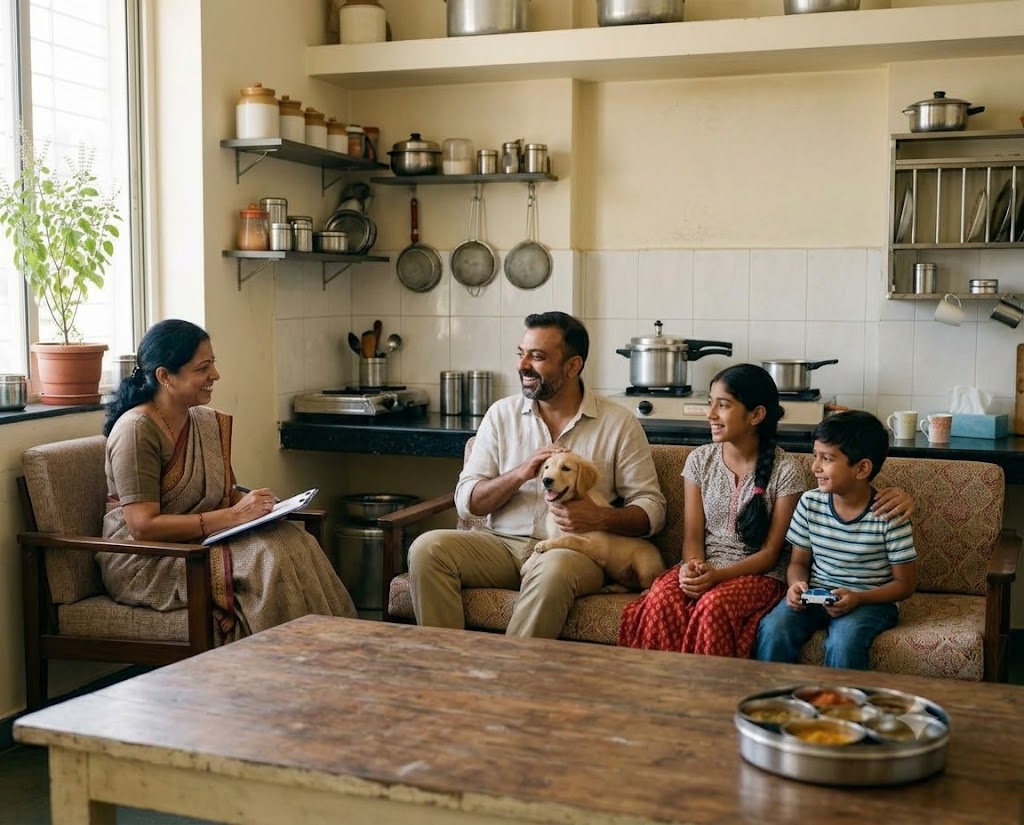
A second marriage may involve previous relationship experiences, children, parenting responsibilities, financial considerations, family boundaries, or unresolved emotions from an earlier relationship. These factors can make adjustment more complex than simply adapting to married life with a new partner.
Confidential & Non-Judgmental Support
Second Marriage and Blended Family Adjustment: How Relationship Counselling Can Help | Well Hope
Safe & Confidential
Introduction
A second marriage can bring hope, companionship and a fresh opportunity to build a loving family. At the same time, it may involve previous relationship experiences, children from earlier marriages, different parenting styles, unresolved emotions, financial responsibilities and concerns about acceptance. Adjustment therefore does not happen automatically after the wedding. It is a gradual process of creating trust, understanding roles and developing a sense of belonging for everyone involved.
Understanding the Difference
What Makes Second Marriage Adjustment Different?
Unlike a first marriage, a second marriage may include experiences and responsibilities that existed before the new relationship. One or both partners may carry memories of divorce, loss, betrayal, conflict or difficult family experiences. Children may also need time to understand the new family structure.
A successful adjustment does not require everyone to feel comfortable immediately. It requires patience, consistent communication and realistic expectations while each family member develops a new sense of security.
Inclusive & Accessible
We Promote Cultural Diversity
Book your session in the following languages. Our multilingual approach breaks down communication barriers, making therapy more inclusive and deeply effective for everyone.
Hindi
English
Punjabi
Marathi
Bengali
Tamil
Malayalam
Telugu
Kannada
Gujrati
Sindhi
Common Triggers and Risk Factors
Common Challenges in Second Marriage & Blended-Family Adjustment
Trust and insecurity
Past relationship experiences may make a partner more cautious, doubtful or fearful of being hurt again.
Children's adjustment
Children may experience confusion, loyalty conflicts, sadness, anger or fear that accepting a stepparent means rejecting a biological parent.
Parenting differences
Partners may disagree about discipline, rules, routines, boundaries and the role of a stepparent.
Comparison with the past
Comparing the new spouse or family with a previous marriage can create disappointment and emotional distance.
Role confusion
A stepparent may be unsure about how much authority or responsibility to take, especially in the early stages.
Extended-family pressure
Relatives and social expectations can influence decisions about parenting, finances, household responsibilities and relationships with former spouses.
Financial and practical responsibilities
Child-related expenses, shared finances, housing and other responsibilities can become sources of conflict if they are not discussed openly.
Fear of another failure
Previous relationship difficulties can create hypervigilance, overthinking or a strong desire to prevent every disagreement.
Couples Support
Relationship Counselling for Second Marriage and Blended Families
Relationship counselling can provide a structured and confidential space for couples adjusting to the challenges that can come with remarriage and blended-family life.
Depending on the couple's circumstances, counselling may focus on:
- Trust concerns after divorce, separation, or previous relationship difficulties
- Communication problems between partners
- Differences in parenting styles and expectations
- Stepparent and stepchild relationship concerns
- Uncertainty about family roles and responsibilities
- Conflict about discipline, boundaries, and household rules
- Financial and practical responsibilities
- Emotional insecurity or fear of being hurt again
- Comparisons with previous relationships or marriages
- Conflict involving former partners or extended family
- Emotional distance between partners
- Difficulties creating a sense of belonging within the new family
- Repeated arguments that remain unresolved
The goal of counselling is not to create an instant sense of closeness or make every family member agree on everything. Instead, it can help partners understand recurring patterns, communicate more clearly, establish appropriate boundaries, and develop realistic expectations for the new family structure.
Some couples may benefit from couples counselling, while individual counselling or family-focused support may also be appropriate depending on the concerns involved.
What Really Works
How to Build a Healthy Blended Family
1
Start with realistic expectations
Do not expect instant closeness. Emotional bonding develops through repeated positive experiences, reliability and respect.
2
Create open communication
Set aside regular time to discuss concerns without blaming or attacking each other. Use statements such as “I feel…” and “I need…” rather than accusations.
3
Respect existing relationships
Children should not be pressured to choose between biological parents and stepparents. Their existing attachment deserves respect.
4
Build connection before authority
A stepparent can first focus on getting to know the child, listening and participating in everyday activities. Authority and discipline can develop gradually.
5
Agree on parenting principles
Partners should privately discuss household rules, consequences, routines, screen use, education, responsibilities and important values.
6
Protect the couple relationship
Make time for the marital relationship without making children feel excluded. A healthy couple relationship can provide stability to the wider family.
7
Handle conflict privately and respectfully
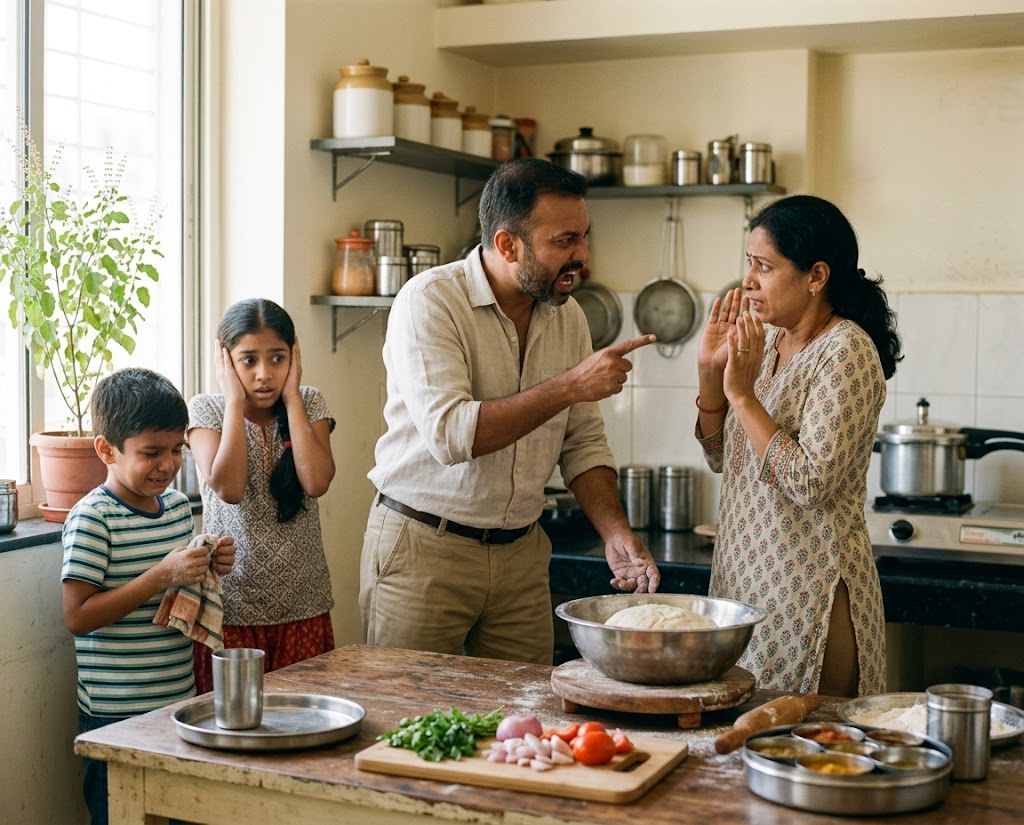
Avoid involving children in adult disagreements. If conflict becomes intense, pause the conversation and return to it after both partners are calmer.
8
Allow grief and mixed emotions
A new family structure can coexist with sadness about a previous relationship or changes in the child's family life. Mixed feelings do not mean the new marriage is failing.
9
Create new family traditions
Shared meals, outings, celebrations or simple weekly rituals can help create positive memories and a new family identity.
Practical Tool
A Helpful Communication Formula
When a disagreement arises, try the following structure:
“When ___ happens, I feel ___. What I need is ___. Can we work together on ___?”
This approach keeps the conversation focused on the situation and the need rather than turning the discussion into criticism of the person.
Supporting the Children
When Children Are Involved
Children need reassurance that their feelings are acceptable and that the new marriage does not erase their relationship with either biological parent. Adults should avoid asking children to take sides, using them as messengers, discussing adult conflicts with them, or expecting immediate affection toward a stepparent.
A useful goal is not to force a particular label such as “parent” or “best friend,” but to create a relationship based on safety, consistency and mutual respect. The exact role of a stepparent may vary depending on the child's age, family circumstances and relationship with the biological parents.
Getting Support
When Should You Consider Relationship Counselling for a Second Marriage?
A couple may consider relationship counselling when adjustment difficulties are becoming persistent or are affecting communication, emotional connection, or family functioning.
Professional support may be helpful when:
- The same arguments keep repeating without resolution
- Trust concerns continue because of previous relationship experiences
- Parenting disagreements are creating ongoing conflict
- One partner feels caught between their spouse and children
- Stepparent and stepchild relationships are becoming difficult
- Financial or household responsibilities are a frequent source of arguments
- Former relationship experiences are affecting the current marriage
- One or both partners feel emotionally distant or insecure
- Family boundaries are unclear or repeatedly create conflict
- Communication has become dominated by criticism, blame, defensiveness, or withdrawal
- The couple is struggling to create a sense of belonging within the new family
You do not have to wait until relationship difficulties become severe before seeking support. Counselling can also be considered when a couple wants help navigating a major family transition and developing healthier ways of communicating.
Try It Together
A Simple Family Adjustment Exercise
Each family member can complete these questions privately and then discuss appropriate answers together:
- What is one thing I appreciate about our family?
- What is one change that feels difficult for me?
- What helps me feel safe and respected at home?
- What is one expectation I may need to make more realistic?
- What is one small family activity I would enjoy doing together?
- What is one communication habit we could improve?
Takeaway
Key Message
A healthy second marriage is not defined by having no conflict or by expecting a blended family to feel completely settled immediately. Adjustment takes time, and different family members may experience the transition differently.
Trust can develop through consistency, communication, appropriate boundaries, and shared experiences. Parenting differences can be discussed and negotiated, while children can be given space to maintain their existing relationships and develop new ones at their own pace.
When communication repeatedly breaks down, trust concerns persist, parenting conflicts remain unresolved, or emotional distance begins to affect the marriage, relationship counselling can provide structured support for understanding these patterns and developing healthier ways of communicating and relating.
Get Support With Second Marriage and Blended Family Concerns
Adjusting to a second marriage can involve relationship expectations, trust concerns, parenting differences, family boundaries, and emotional changes that affect both partners and the wider family.
If these challenges are creating repeated conflict, emotional distance, communication difficulties, or uncertainty within the marriage, relationship counselling can provide a confidential space to understand the concerns and work toward healthier communication and family relationships.
At WellHope, relationship counselling and online couples counselling can support couples navigating second marriage adjustment, blended-family concerns, parenting differences, trust issues, communication difficulties, and recurring relationship conflict.
The goal is not to create an instant perfect family. It is to help partners understand each other, communicate more clearly, establish appropriate boundaries, and build a healthier family environment over time.
Book Your Confidential Session
Common Questions
Frequently Asked Questions About Second Marriage and Blended Family Adjustment
Why can a second marriage be difficult?
How can relationship counselling help with second marriage problems?
Relationship counselling can provide a structured space for couples to discuss communication difficulties, trust concerns, parenting differences, family roles, financial responsibilities, emotional insecurity, and recurring relationship conflict.
Can couples counselling help with blended family problems?
Couples counselling may help partners understand disagreements about parenting, boundaries, household responsibilities, communication, and the role of a stepparent. The appropriate format depends on the family's circumstances and the concerns being addressed.
How can I build trust in a second marriage?
Trust can develop through consistent communication, reliability, appropriate boundaries, honest conversations, and realistic expectations. Previous experiences may also influence how a person interprets uncertainty in a new relationship. Counselling can provide additional support when trust concerns continue to affect the marriage.
How long does it take to adjust to a blended family?
There is no fixed timeline for blended-family adjustment. Different family members may adapt at different rates depending on their age, previous experiences, relationships, expectations, and the changes taking place within the family.
What if my partner and I have different parenting styles?
Different parenting approaches do not necessarily mean that a relationship cannot work. Couples can discuss their values, household rules, responsibilities, boundaries, and areas where consistency is important. Relationship counselling may help when parenting differences repeatedly lead to conflict.
Should a stepparent discipline a stepchild?
There is no single approach that works for every blended family. The role of a stepparent can depend on the child's age, existing relationships, family circumstances, and the expectations agreed upon by the adults. Clear communication between the adults can help prevent confusion about roles and responsibilities.
Can online relationship counselling help with second marriage problems?
Online relationship counselling can provide a private and convenient setting to discuss trust concerns, communication problems, parenting differences, emotional distance, family boundaries, and other relationship difficulties. Suitability depends on the circumstances and the concerns being addressed.
Does counselling mean that our second marriage is failing?
No. Couples may seek counselling while their relationship is generally stable but they are experiencing difficulties adjusting to a new family structure. Counselling can also be used to improve communication, understand recurring patterns, and navigate major relationship or family transitions.

Leave a Comment
We would love to hear your thoughts and experiences.