

Sexual health counselling is a form of psychological support that provides a private and non-judgmental space to explore concerns related to sexual wellbeing, intimacy, sexual pain, anxiety, relationships, and other emotional or psychological difficulties.
Private & Non-Judgmental Support
Sexual Pain and Penetration Difficulties: Signs, Causes and Counselling | Well Hope
Safe & Confidential
Sexual Pain & Penetration Difficulties: Signs, Causes & Counselling
Sexual pain and penetration difficulties can affect intimacy, relationships, confidence, and emotional well-being. Many people experience pain during sex or find penetration difficult, yet may hesitate to talk about it or assume they simply need to relax, push through, or wait for it to improve.
Sexual pain can have physical, psychological, emotional, or relational contributors, and different factors can sometimes reinforce one another. Understanding what is contributing to the problem is an important part of finding appropriate support.
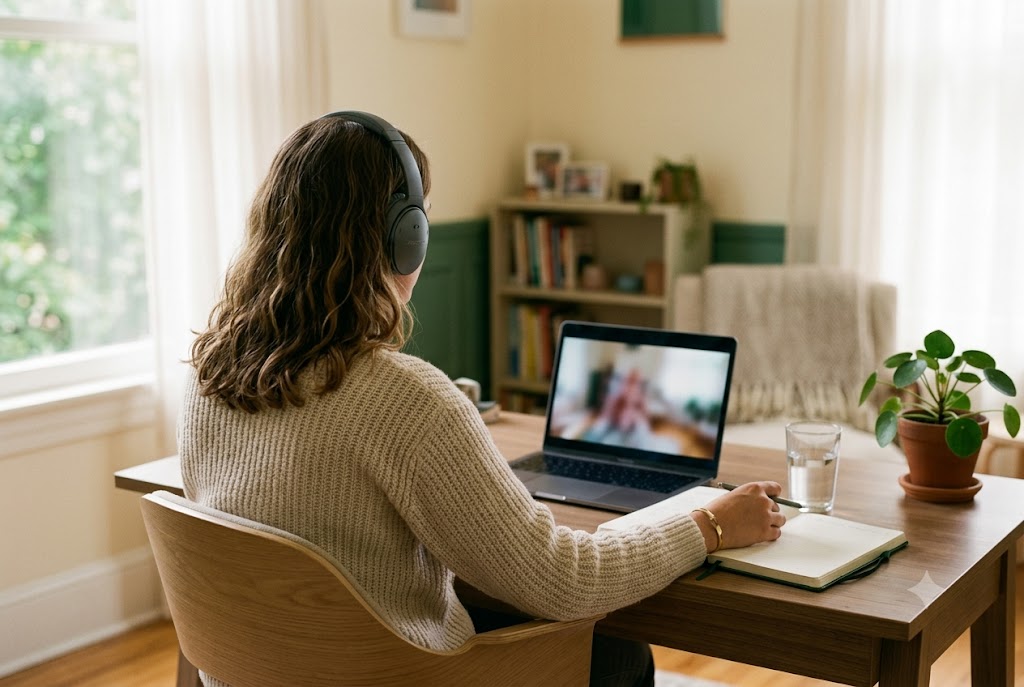
At Well Hope, sexual health counselling provides a private, compassionate, and non-judgmental space to explore painful sex, penetration difficulties, anxiety around intimacy, body-related concerns, and the emotional impact of these experiences. Online sexual therapy can also provide access to qualified therapists from the comfort of your own environment.
In this guide, we'll explain sexual pain and penetration difficulties, common signs and causes, how sexual health counselling can help, the role of CBT and other therapeutic approaches, and when additional medical or physiotherapy support may be appropriate.
Understanding the Condition
What Are Sexual Pain & Penetration Difficulties?
Sexual pain and penetration difficulties refer to recurring pain, fear, anxiety, or involuntary muscle tension associated with vaginal penetration or sexual activity that causes distress or makes intimacy difficult.
These experiences can have physical, psychological, emotional, or relational contributors. In some people, several factors may occur together and reinforce one another over time.
In the DSM-5, experiences involving persistent difficulty with penetration, pain during penetration, fear or anxiety about penetration, and involuntary pelvic floor tightening may fall under Genito-Pelvic Pain/Penetration Disorder (GPPPD). The older terms vaginismus and dyspareunia are still commonly used to describe particular symptoms.
You may also hear terms such as:
Vaginismus
Involuntary tightening of the pelvic floor muscles that can make penetration painful or difficult.
Dyspareunia
Persistent genital or pelvic pain associated with sexual activity.
Vulvodynia
Ongoing vulval pain that may occur without an identifiable cause.
Sexual pain can also affect men, including pain associated with erection, ejaculation, or pelvic and genital discomfort. Appropriate assessment depends on the individual's symptoms and may involve medical, physical, and psychological care.
Pain during sex should not simply be ignored or pushed through. The aim is to understand the factors contributing to the pain and identify appropriate support.
What to Look For
Common Signs of Sexual Pain & Penetration Difficulties
Some of the most common signs include:
- Burning, stinging, or tearing pain at the vaginal entrance during penetration
- Deep pelvic or abdominal pain during or after intercourse
- Penetration being difficult or impossible despite wanting it
- Involuntary tightening or “closing up” when penetration is attempted
- Pain or difficulty inserting a tampon or completing a pelvic examination
- Anticipating pain and tensing up before anything has happened
- Avoiding sex, or avoiding affection in case it leads to sex
- Ongoing soreness, rawness, or discomfort for hours or days afterwards
- Feeling anxious, ashamed, or inadequate about your body
- In men: pain during erection, ejaculation, or in the pelvic area afterwards
A single uncomfortable experience isn't cause for concern. Dryness, nerves, or a rushed start can all cause temporary discomfort. The pattern worth attending to is pain that recurs, that you've started to anticipate, or that has quietly reshaped how you approach intimacy.
Root Causes
What Can Cause Painful Sex or Penetration Difficulties?
Sexual pain almost always has more than one contributing factor, and physical and psychological causes tend to feed each other over time. Painful sex can have multiple causes, including medical, hormonal, pelvic-floor, psychological, and relationship-related factors.
Medical and Gynaecological
- Infections such as thrush, bacterial vaginosis, or UTIs
- Endometriosis, adenomyosis, fibroids, or ovarian cysts
- Pelvic inflammatory disease
- Vulvodynia or vestibulodynia
- Skin conditions such as lichen sclerosus or eczema
- Scarring from childbirth, episiotomy, or surgery
- Interstitial cystitis or irritable bowel syndrome
Hormonal
- Menopause and perimenopause, causing vaginal dryness and thinning tissue
- Postpartum and breastfeeding hormonal changes
- Hormonal contraceptives in some people
Musculoskeletal
- Pelvic floor overactivity or hypertonicity
- Chronic muscle guarding developed in response to earlier pain
- Poor pelvic floor coordination and difficulty releasing the muscles
Psychological
- Anxiety, fear of pain, and anticipatory tension
- Past sexual trauma or medical trauma
- Restrictive or fear-based messages about sex growing up
- Shame, guilt, or body image distress
- Depression and chronic stress
Relational and Situational
- Insufficient arousal or lubrication before penetration
- Feeling pressured, rushed, or unable to say stop
- Conflict, resentment, or low emotional safety with a partner
- Fear of disappointing a partner, leading to pushing through pain
The pain–fear–tension cycle
Pain
Fear
Muscle guarding and reduced arousal
Tension and dryness increase the pain
The self-maintaining part is what matters clinically. Once that loop is established, it can continue long after the original cause has been treated or resolved, which is why medical treatment alone sometimes isn't enough.
Inclusive & Accessible
We Promote Cultural Diversity
Book your session in the following languages. Our multilingual approach breaks down communication barriers, making therapy more inclusive and deeply effective for everyone.
Hindi
English
Punjabi
Marathi
Bengali
Tamil
Malayalam
Telugu
Kannada
Gujrati
Sindhi
The Impact
How Sexual Pain Can Affect Relationships
Sexual pain has an effect on a relationship that goes well beyond sex itself. The person experiencing pain often begins to withdraw from all physical affection, not to reject their partner but to avoid the moment where they'll have to say no again. Many describe a heavy sense of guilt, of feeling they're failing their partner or that their body is letting them down.
Partners are frequently left confused and afraid. Many report a fear of causing harm, and pull back from initiating anything at all, which the person in pain may read as rejection or loss of interest. Both people are protecting each other, and neither knows it, so the distance grows in silence.
Where sex still happens, a particularly damaging pattern is pushing through pain to keep a partner happy. This reinforces the body's association between intimacy and pain, increases muscle guarding, and makes the next attempt harder. Stopping that pattern is usually one of the first things counselling addresses.
None of this is a sign that the relationship is failing. It's a sign that a physical problem has been carrying an emotional weight without anywhere to put it down.
When sexual pain begins affecting communication, closeness, or emotional connection, relationship or couples counselling may also be appropriate alongside sexual-health support.
Evidence-Based Approach
CBT for Sexual Pain and Penetration Difficulties
Cognitive Behavioural Therapy (CBT) is one psychological approach that may be used to address the thoughts, emotions, and behaviours associated with sexual pain and penetration difficulties.
Depending on the individual's concerns, CBT may focus on:
- Identifying catastrophic thoughts about pain
- Understanding how fear and hypervigilance can influence the experience of pain
- Reducing avoidance through gradual, manageable steps
- Developing relaxation and breathing strategies
- Exploring beliefs about sex, intimacy, and expectations
- Building confidence through safe and gradual experiences
- Improving communication and boundary-setting with a partner
The appropriate therapeutic approach depends on the individual. CBT may be used alongside medical assessment, pelvic-floor physiotherapy, or other appropriate forms of care.
Combined Care
Other Approaches Commonly Used Alongside CBT
Pelvic Floor Physiotherapy
Often central to treatment rather than an add-on. A specialist physiotherapist assesses muscle tone and teaches release, coordination, and stretching techniques. Many people are surprised to learn their pelvic floor is too tight rather than too weak, and that Kegel exercises may have made things worse.
Graded Dilator Therapy
A structured, self-directed programme using progressively sized dilators, always under your own control and paced to stay below the pain threshold. Used within a therapeutic framework, it works on both the muscular and the fear components at the same time.
Mindfulness-Based Therapy
Trains attention toward present-moment sensation and away from threat monitoring, which has been shown to reduce both pain intensity and pain-related distress in genito-pelvic pain.
Sensate Focus
A structured sex therapy exercise that takes penetration off the table entirely for a period, allowing touch, arousal, and pleasure to be rebuilt without any expectation or pressure attached.
Couples Therapy
Addresses the avoidance-guilt-rejection cycle, restores communication, and helps partners become part of the treatment rather than a source of pressure.
Trauma-Focused Therapy
Where sexual or medical trauma contributes, trauma-focused work is often the foundation that other interventions build on.
Most people do best with a combined approach: medical, physical, and psychological care working together rather than one at a time.
Online Support
Online Sexual Therapy for Painful Sex
Online sexual therapy can provide a private and accessible way to seek psychological support for sexual pain, penetration difficulties, intimacy concerns, and anxiety around sexual experiences.
Online sessions may help you explore:
- Fear or anticipation of pain
- Anxiety around penetration
- Avoidance of intimacy
- Shame or self-criticism
- Relationship difficulties related to sexual pain
- Body image concerns
- Communication and emotional safety
- Thoughts and behaviours that may maintain the pain-fear-tension cycle
Working with an online sex therapist can allow you to discuss sensitive concerns from a familiar environment. Whether online therapy is appropriate depends on your individual needs, symptoms, and whether medical or physical assessment is also required.
When to Reach Out
When to Seek Support
It's worth reaching out to a professional if:
- Sex has been painful more than occasionally, or for more than a few weeks
- You're unable to tolerate penetration, tampons, or pelvic examinations
- You've started anticipating or bracing for pain
- You're avoiding sex or affection because of it
- Pain has continued despite medical treatment
- It's causing distress, shame, or tension in your relationship
- Past trauma may be part of the picture
You do not need to have exhausted every other option first, and you do not need to be certain of the cause before asking for help.
Well Hope Support
How Well Hope Can Support Your Journey
Sexual pain is difficult to talk about, and too many people are told to relax, have a glass of wine, or wait it out. Well Hope exists to make mental and sexual healthcare accessible, informed, and genuinely respectful.
Whether you're experiencing painful sex, finding penetration difficult, or navigating the strain this has placed on a relationship, Well Hope connects you with qualified professionals who take this seriously.
- Find certified therapists experienced in sexual pain and penetration difficulties
- Access online sexual health counselling for painful sex, privately and from home
- Book individual or couples sessions
- Learn evidence-based strategies, including CBT for sexual pain
- Receive guidance on coordinating care with medical and physiotherapy support
- Talk openly in a confidential, judgment-free space
At Well Hope, the aim is not simply to make penetration possible, but to help you feel safe, comfortable, and in control of your own body again. If sex has been painful, support is available, and improvement is realistic.
People in India looking for an online sex therapist can access sexual health counselling remotely through Well Hope, subject to therapist availability and suitability.
Take the First Step Toward Comfort and Confidence
Painful sex is common, but common is not the same as normal or acceptable. You do not have to push through it or wait it out. Well Hope offers a private, compassionate space to understand what is happening and work toward feeling safe and in control again.
Book Your Confidential Session
Common Questions
Frequently Asked Questions
What is sexual health counselling?
Can online sexual therapy help with painful sex?
Online sexual therapy may help with the psychological and emotional aspects of painful sex, including fear, anxiety, avoidance, relationship strain, and unhelpful thought patterns. Physical symptoms may also require assessment by an appropriate medical or physical-health professional.
Can a sex therapist help with penetration difficulties?
A qualified sex therapist or sexual health therapist can help explore psychological, emotional, behavioural, and relationship factors associated with penetration difficulties. Depending on the symptoms, medical or pelvic-floor assessment may also be appropriate.
Can CBT help with sexual pain?
CBT may help address thoughts, anxiety, avoidance, and behavioural patterns associated with sexual pain and penetration difficulties. The appropriate treatment approach depends on the individual's concerns and may be combined with medical or physical care.
Is it normal for sex to hurt?
No. Discomfort can happen occasionally with insufficient arousal or dryness, but persistent pain during sex is always worth investigating. It's common, but common is not the same as normal or acceptable.
Does painful sex mean there's something physically wrong with me?
Sometimes, and sometimes not. Infections, endometriosis, skin conditions, and hormonal changes are frequent contributors, but pain can also persist from pelvic floor tension and fear alone. A proper evaluation is the only way to know.
Is vaginismus the same as dyspareunia?
They're related but distinct. Vaginismus describes involuntary muscle tightening that blocks penetration; dyspareunia describes pain during intercourse. The DSM-5 now groups both under Genito-Pelvic Pain/Penetration Disorder because they so often occur together.
Can sexual pain be cured?
In many cases, yes. Genito-pelvic pain conditions respond well to combined treatment, and a substantial majority of people achieve comfortable, pain-free penetration with the right support. Timelines vary.
Should I just push through the pain?
No. Pushing through reinforces the body's association between intimacy and pain, increases muscle guarding, and typically makes the problem worse over time.
Should I see a doctor, a physiotherapist, or a therapist?
Often all three at different points. A doctor identifies and treats physical causes, a pelvic floor physiotherapist works on muscle tension, and a therapist addresses fear, avoidance, and relational strain. A counsellor can help you sequence this.
Can men experience sexual pain too?
Yes. Pain during erection or ejaculation, pelvic floor dysfunction, prostate-related pain, and tight foreskin all cause sexual pain in men, and all warrant assessment.
How long does treatment usually take?
It depends on the cause and how long the pain has been present. Many people notice meaningful change within a few months of consistent, combined treatment, though longstanding pain with a trauma component often takes longer.
If sex has been painful, support is available, and improvement is realistic.

Leave a Comment
We would love to hear your thoughts and experiences.