
Social anxiety disorder is a mental health condition characterized by an intense fear of being judged, embarrassed, or negatively evaluated in social or performance situations. It goes beyond normal shyness and can interfere with daily life.
✨ Well Hope
Social Anxiety Counselling
Build Confidence and Feel Comfortable in Social Situations
Professional Care
Understanding Social Anxiety: Symptoms, Treatment & Support
Have you ever avoided speaking in a meeting because you were afraid of saying something wrong? Maybe you've skipped social gatherings, felt nervous about introducing yourself to new people, or worried for days before giving a presentation. Feeling nervous in social situations is something almost everyone experiences from time to time. However, when that fear becomes intense, persistent, and begins affecting everyday life, it may be a sign of social anxiety disorder. Many people living with social anxiety disorder don't simply feel shy they experience overwhelming fear of being judged, embarrassed, or negatively evaluated by others. The encouraging news is that with the right support and treatment, recovery is possible. In this guide, you'll learn about social anxiety disorder, recognize common social anxiety symptoms, understand how it affects mental health, explore effective treatment options including CBT for social anxiety, and discover how Well Hope can support your journey toward greater confidence and emotional well-being.
What Is Social Anxiety Disorder?
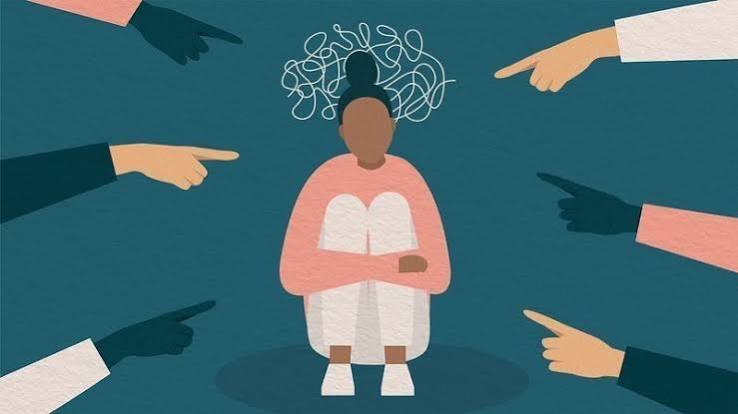
Social anxiety disorder is a mental health condition characterized by intense fear of being judged, embarrassed, or negatively evaluated during social or performance situations.
Social anxiety disorder, sometimes called social phobia, is a mental health condition where a person experiences an intense fear of social or performance situations. The fear usually comes from worrying about being judged, embarrassed, criticized, or rejected by others.
People with social anxiety disorder often know that their fears may seem excessive, but controlling them can feel incredibly difficult. As a result, they may begin avoiding conversations, meetings, public speaking, eating in front of others, or even everyday interactions. Recognizing social anxiety symptoms early can make a significant difference because early support often leads to better outcomes and improved mental health.
Common Social Anxiety Symptoms
Everyone experiences anxiety differently, but there are several common social anxiety symptoms that may indicate more than ordinary nervousness. These include:
- Intense fear before social events
- Worrying about being judged or embarrassed
- Avoiding conversations or group activities
- Difficulty making eye contact
- Speaking very quietly or struggling to speak at all
- Blushing easily
- Sweating during social interactions
- Trembling or shaking
- Racing heartbeat
- AFeeling nauseous before social situations
- Overthinking conversations long after they end
- Constantly worrying about making mistakes
What Causes Social Anxiety Disorder?
There is no single cause of social anxiety disorder. Instead, it usually develops through a combination of biological, psychological, and environmental factors. Common contributing factors include:
- Family history of anxiety
- Negative childhood experiences
- Bullying or teasing
- Low self-confidence
- Traumatic social experiences
- Overly critical environments
- Brain chemistry
- Stressful life events
How Social Anxiety Affects Mental Health
Living with social anxiety disorder affects much more than social interactions. Over time, it may impact many areas of life, including:
- Friendships
- Romantic relationships
- Academic performance
- Career opportunities
- Self-esteem
- Emotional well-being
Many people stop applying for jobs, avoid promotions, or miss meaningful life experiences simply because social situations feel overwhelming. When left untreated, social anxiety disorder may contribute to loneliness, chronic stress, low confidence, and other mental health challenges. Taking care of your mental health means recognizing when fear is limiting your life and seeking support before it becomes more difficult to manage.
Signs of a Social Anxiety Attack
Some social situations can trigger an intense wave of anxiety that feels impossible to control. Common signs of a social anxiety attack include:
- Rapid heartbeat
- Difficulty breathing
- Sweating
- Difficulty breathing
- Sweating
- Shaking
- Dry mouth
- Feeling dizzy
- Difficulty thinking clearly
- Feeling frozen or unable to speak
- Fear of embarrassment
- Strong urge to leave the situation immediately
Although these experiences can feel frightening, they are the body's natural response to intense anxiety rather than actual danger. Learning to recognize these signs can help people respond with healthier coping strategies instead of avoiding future situations.
Social Anxiety Treatment That Works
The good news is that social anxiety disorder is highly treatable. The most effective social anxiety treatment usually combines therapy, healthy coping strategies, lifestyle changes, and sometimes medication prescribed by a psychiatrist. Common treatment approaches include:
Psychological Therapy
Talking with a therapist helps identify the thoughts and behaviors that keep anxiety going while teaching healthier ways to respond.
Cognitive Behavioral Therapy
One of the most effective treatments for health anxiety is CBT for health anxiety, which focuses on changing unhelpful thinking and behavior patterns.
Medication
for some people, medication may be recommended by a psychiatrist when anxiety is severe or persistent.
Healthy Lifestyle Changes
Regular exercise, balanced nutrition, good sleep, mindfulness, and reducing unnecessary symptom checking can all support recovery and improve mental health.
CBT for Health Anxiety:
Why It Works Among all available therapies, CBT for social anxiety is considered one of the most effective and well-researched approaches. Instead of only talking about fears, CBT for social anxiety teaches practical skills that help people change the thoughts and behaviors maintaining anxiety.
- Identify negative thinking patterns
- Challenge unrealistic fears
- Build confidence gradually
- Reduce avoidance behaviors
- Improve communication skills
- Practice relaxation techniques
- Face feared situations step by step
Over time, CBT for social anxiety helps people feel more comfortable in everyday social situations while strengthening long-term mental health. Many people continue using these skills long after therapy has ended.
Everyday Tips to Manage Social Anxiety
Professional treatment is important, but small daily habits can also make a meaningful difference. Try incorporating these strategies into your routine:
- Practice deep breathing before stressful situations
- Challenge negative self-talk
- Start with small social interactions
- Limit perfectionism
- Prepare for important conversations without over-rehearsing
- Exercise regularly
- Maintain healthy sleep habits
- Practice mindfulness
- Celebrate small social successes
- Reach out for professional support when needed
When Should You Seek Professional Help?
You should consider reaching out for support if:
- Social anxiety symptoms have lasted for several months.
- Fear is preventing you from attending school, work, or social events.
- You frequently avoid situations because of anxiety.
- Your relationships are being affected.
- Your confidence continues to decline.
- Your overall mental health feels increasingly impacted.
How Well Hope Can Support Your Mental Health Journey
Reaching out for help can feel like the hardest step, but you don't have to do it alone. Well Hope is committed to making compassionate, evidence-based mental health care more accessible for everyone.
Whether you're experiencing social anxiety symptoms, looking for online therapy for social anxiety, or seeking guidance from an experienced therapist, looking for therapy, or seeking guidance to better manage social anxiety disorder, Well Hope connects you with experienced mental health professionals who understand your unique challenges.
Through Well Hope, you can:
- Connect with qualified therapists
- Book confidential therapy sessions
- Learn about treatments like CBT for social anxiety
- Access trusted mental health resources
- Receive personalized support tailored to your needs
Benefits of Treating Social Anxiety Disorder Early
Seeking help for social anxiety disorder early can significantly improve your confidence, relationships, and overall mental health. With the right social anxiety treatment, many people learn to manage their fears and participate more comfortably in everyday life.
1. Increased Self-Confidence
Effective social anxiety treatment helps reduce self-doubt and allows you to feel more confident in conversations, meetings, and social situations.
2. Improved Relationships
Managing social anxiety symptoms makes it easier to build meaningful friendships, strengthen family relationships, and communicate more openly with others.
3. Better Academic and Career Opportunities
When fear no longer controls your decisions, you may feel more comfortable participating in interviews, presentations, networking, and workplace discussions.
4. Reduced Avoidance Behaviors
One of the biggest goals of CBT for social anxiety is helping people gradually face situations they once avoided, leading to greater independence and personal growth.
5. Better Emotional Well-Being
Treating social anxiety disorder can reduce constant worry, embarrassment, and fear of judgment, improving your overall mental health.
6. Stronger Communication Skills
Therapy helps people express themselves more comfortably, improve eye contact, and participate confidently in both personal and professional interactions.
7. Improved Quality of Life
as social anxiety symptoms decrease, everyday activities like attending events, making phone calls, speaking in public, or meeting new people become less stressful and more enjoyable.
8. Long-Term Coping Skills
Evidence-based approaches like CBT for social anxiety teach practical strategies that help manage anxiety well beyond therapy, supporting lifelong emotional resilience and better mental health.
Take the first step. Let's rewrite your story together with care, clarity, and compassion.
Frequently Asked Questions
Find answers to the most common queries about our social anxity program.
What is social anxiety disorder?
What are the common social anxiety symptoms?
Common social anxiety symptoms include fear of social situations, avoiding conversations, excessive worrying about being judged, blushing, sweating, trembling, rapid heartbeat, difficulty making eye contact, and overthinking social interactions afterward.
Is social anxiety different from shyness?
Yes. Shyness is a personality trait that usually does not interfere significantly with daily life. Social anxiety disorder is much more intense and persistent, often causing people to avoid situations that affect work, education, relationships, and overall mental health.
What causes social anxiety disorder?
There is no single cause of social anxiety disorder. It may develop due to genetics, brain chemistry, childhood experiences, bullying, traumatic social events, low self-esteem, or stressful life experiences.
What is the most effective social anxiety treatment?
The most effective social anxiety treatment often combines psychotherapy, healthy lifestyle changes, and, when appropriate, medication. Many mental health professionals recommend CBT for social anxiety because of its strong evidence for improving symptoms.
How does CBT for social anxiety help?
CBT for social anxiety (Cognitive Behavioral Therapy) helps people recognize and change negative thought patterns, reduce avoidance behaviors, gradually face feared social situations, and build lasting confidence through practical coping strategies.
Can social anxiety disorder be cured?
Many people experience significant improvement with the right social anxiety treatment. While everyone's recovery journey is different, therapy, healthy coping strategies, and consistent support can greatly reduce symptoms and improve overall mental health.
When should I seek professional help for social anxiety?
You should consider professional support if social anxiety symptoms persist for several months, prevent you from attending school, work, or social events, affect your relationships, or cause significant emotional distress.
Can lifestyle changes help manage social anxiety?
Yes. Regular exercise, quality sleep, mindfulness, relaxation techniques, gradual exposure to social situations, and limiting negative self-talk can complement professional social anxiety treatment and support better mental health.
How can Well Hope help with social anxiety disorder?
Well Hope connects individuals with experienced mental health professionals who provide personalized social anxiety treatment, evidence-based therapies like CBT for social anxiety, confidential therapy sessions, and ongoing support to improve confidence and overall mental health.

Leave a Comment
We would love to hear your thoughts and experiences.